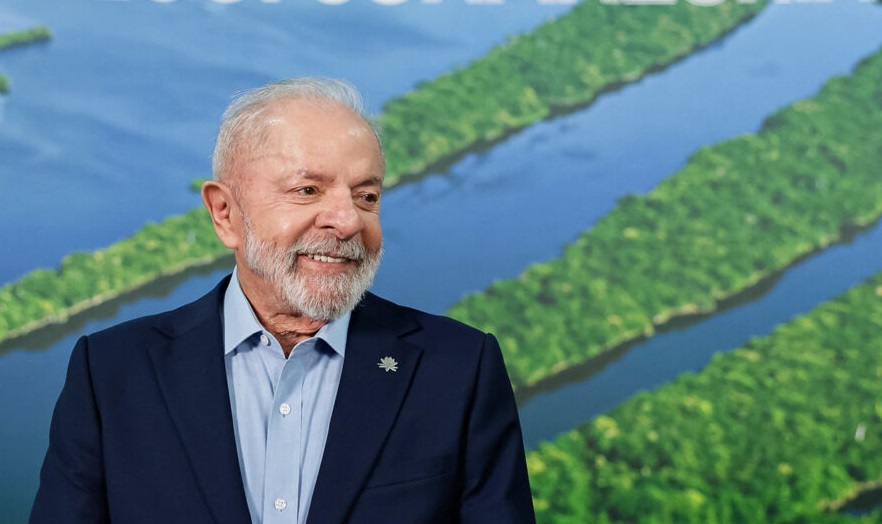
The federal government announced this Thursday (27) that it is sending bills to Brazil’s National Congress to create two unprecedented higher education institutions: the Indigenous Federal University (Unind) and the Federal University of Sports (UFEsporte). The announcement was made during a ceremony at the Planalto Palace, attended by President Luiz Inácio Lula da Silva, cabinet ministers, Indigenous representatives and athletes.
“Today is another day when we discover that it is possible to govern a country by doing what matters to the majority of people who live there, instead of serving obscure interests,” President Lula said, also referring to the law signed on Wednesday (26) granting income tax exemption for those earning up to R$ 5,000 (about US$ 1,000) per month.
Reforesting minds: why Brazil needs an Indigenous university
The announcement of the unprecedented Indigenous Federal University goes beyond the creation of a new public policy. For Indigenous peoples, it represents an act of historical reparation and a fundamental recognition of the science that grows from the forest, a project born from decades of struggle by Indigenous leaders.
“Brazil is the only country in the world named after a tree,” recalled Congresswoman Célia Xakriabá, who took part in the conception of the new university.
“In truth, the Indigenous university has existed for more than 1,500 years. What exists today is just the signature. But before signing with a pen, we signed with the wisdom of the forest. We signed with genipapo and annatto,” said the lawmaker, who holds a degree in Indigenous Education from the Federal University of Minas Gerais (UFMG) and has researched Indigenous university experiences in Latin America.
“In 2016, I had the opportunity to research Indigenous universities in Mexico and autonomous universities. Now Brazil is living a very important moment, because it is recognizing the Indigenous university with the plurality of different peoples. And today, thinking about Indigenous epistemologies is also thinking about overcoming epistemicide. How many times has Indigenous knowledge, Indigenous science, been denied by universities?” she added.
Recognition of a constitutional right
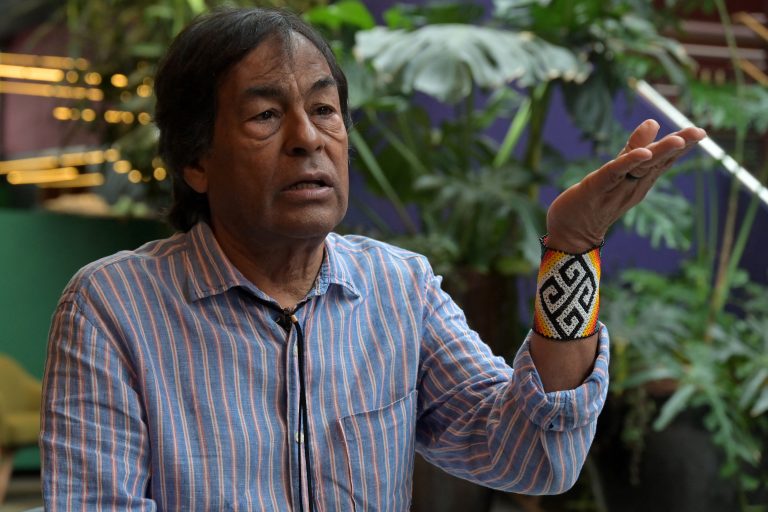
Indigenous lawyer Maurício Terena explained that the university represents the fulfillment of a constitutional mandate and respect for traditional knowledge. “An Indigenous university comes to consecrate respect for traditional Indigenous knowledge, because the history of this country is built on a perspective in which our bodies and our knowledge were invalidated by hegemonic science. Being able to witness the launch of this Indigenous university is, above all, the fulfillment of a constitutional mandate, and the promotion and respect of Indigenous knowledge,” he said.
He also recalled the discrimination he faced while studying law. “I remember the violence we experience in higher education when we say we are Indigenous and when we bring Indigenous legal perspectives into the debate,” Terena said.
Transformed territories
Beyond epistemological and climate relevance, the university is seen as a turning point for inclusion and quality of life in Indigenous territories.
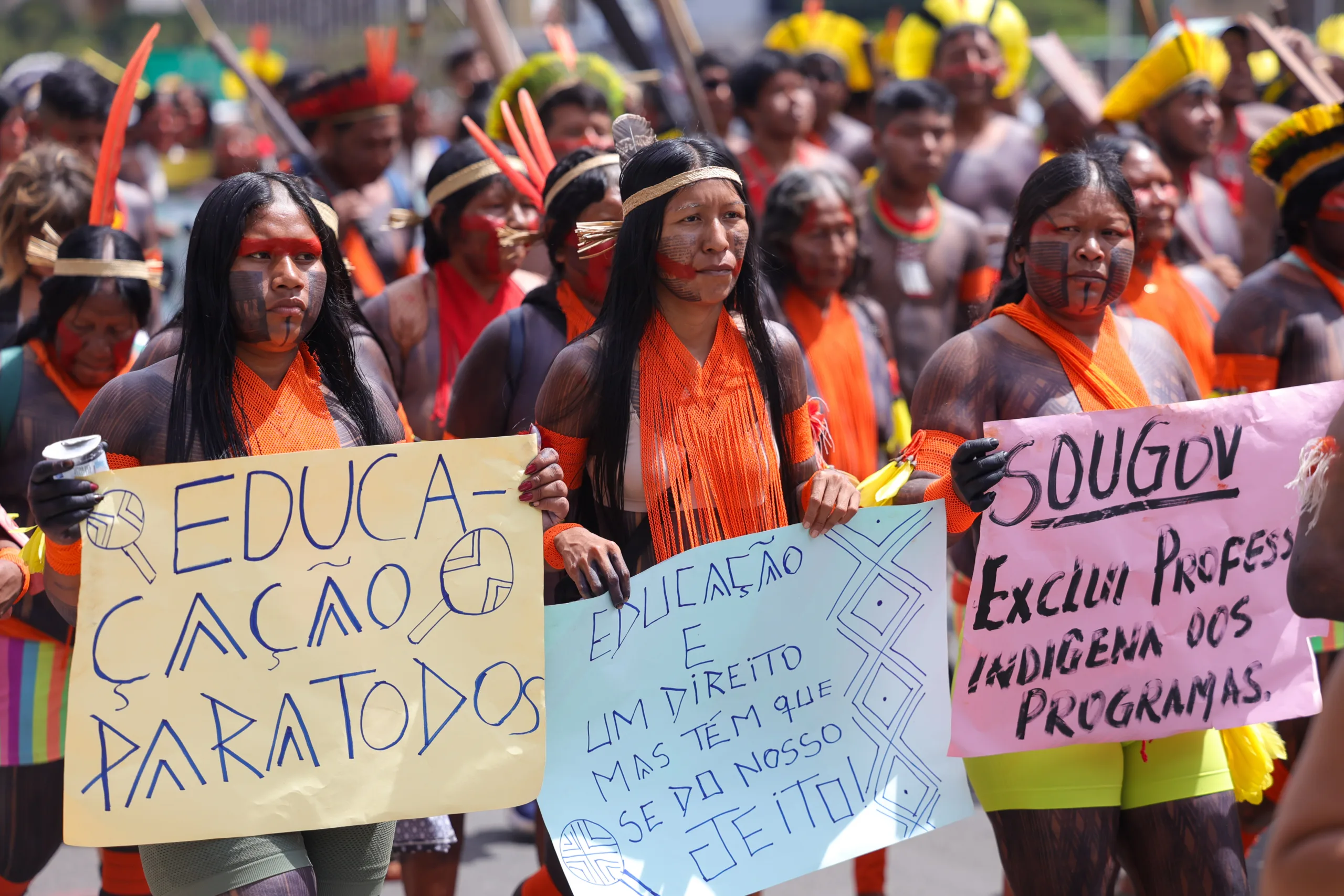
Ricardo, from the Potiguara people, said the initiative represents resistance and visibility. “It helps give visibility to our people and to our resistance,” said the 18-year-old, who traveled from Paraíba to Brasília to follow the announcement.
Josi, from the Galibi-Marworno people of Amapá, described the moment as historic. “Most of our leaders who fought have already fallen. This is the fruit of many who are no longer here. And now we are living this moment as students,” she said.
Werymehe Pataxó, from Minas Gerais, said academia has historically excluded Indigenous peoples in a racist way and that the new university represents a long-overdue step. “Since the time of invasion, they wrote about our knowledge without ever citing us. This university is for us to show that we are here and that we can walk side by side with all our knowledge,” she said.
A ‘climate university’
Célia Xakriabá argued that climate solutions cannot exist without Indigenous science. “There is no climate school or climate university anywhere in the world. And the Indigenous university can already be recognized as the climate university. We are 5% of the world’s population and protect more than 80% of the planet’s sociobiodiversity,” she said.
“The Earth is the oldest teacher on the planet, and the forest is also a school, the forest is also a university,” she added.
According to the government, interministerial technical groups will work throughout 2026 and the universities are expected to begin operations in 2027.