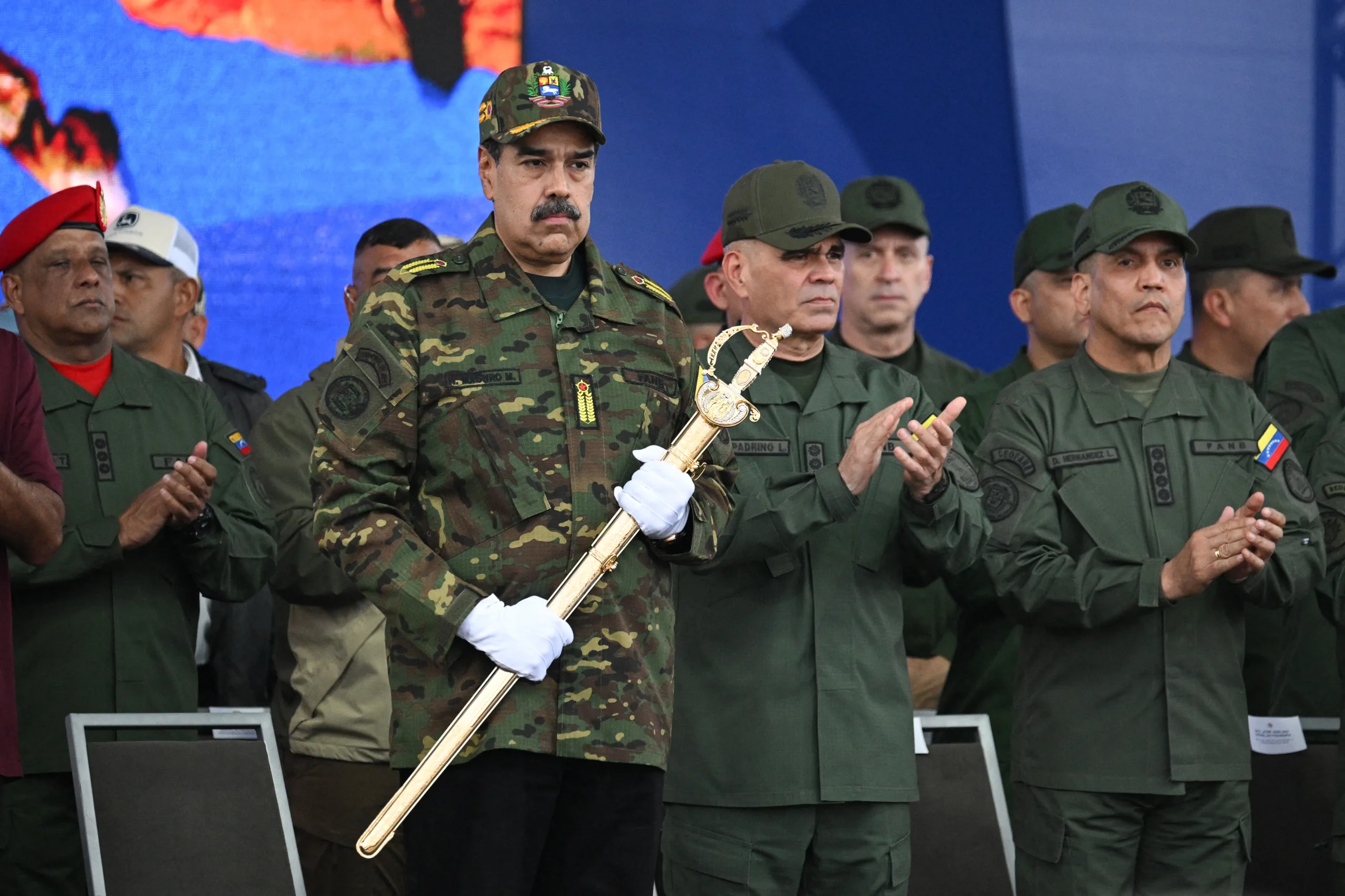
In a new chapter of U.S. pressure against Venezuela, President Donald Trump said on Thursday (27) that ground offensives against the Caribbean country will begin “soon.”
“We’ve stopped almost 85% [of the drugs] by sea, and we will also begin stopping them by land. The land it’s easier, and that’s gonna start very soon,” said the U.S. president, who presented no documentation to support the claim.
Trump’s statement came during an online conference with U.S. military personnel for Thanksgiving Day. He did not provide details on how a potential ground operation would take place, nor when it would be carried out.
Earlier that same day, Nicolás Maduro said Venezuelans are prepared to take up arms to defend the country. “If we need to take up arms, we will do so, and we will achieve a destiny of triumph and dignity,” he said during celebrations for the 105th anniversary of the Bolivarian Military Aviation.
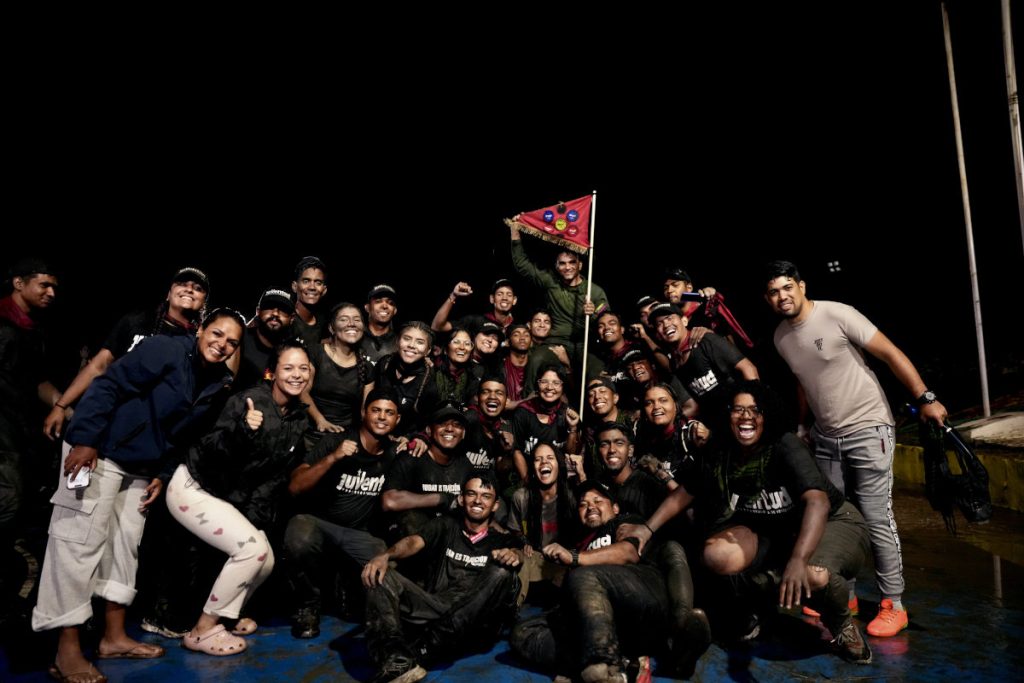
Rosana Fernandes, Venezuela coordinator for the Apolônio de Carvalho Internationalist Brigade of the Brazilian Landless Workers’Movement (MST), said that Trump’s threats are part of psychological warfare against Venezuelans, but stressed that the risk of a direct attack cannot be ruled out.
“The enemies of the people are capable of any action to annihilate organized forces. Psychological warfare – which is how we understand this offensive – is a way to pressure Venezuela’s popular and political organization. So we cannot doubt the possibility of a ground invasion meant to put the Venezuelan people’s resistance to the test,” Fernandes said.
The most intense phase of Trump’s offensive against Caracas has been underway since late August, when the first U.S. military ships were sent to the Caribbean Sea. In the following month, bombings of vessels, which have already left more than 80 people dead, began.
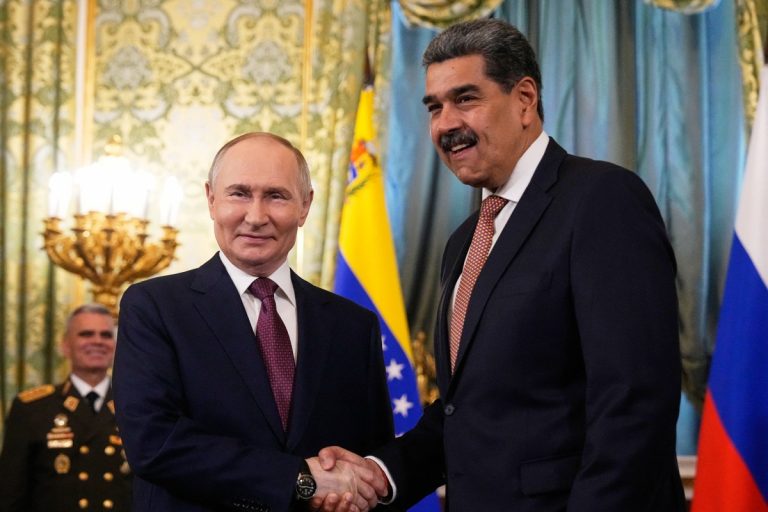
In recent weeks, the U.S. president has sent mixed messages. Trump has said more than once that he is open to a conversation with Nicolás Maduro, while also insisting he does not rule out the possibility of military action against the Caribbean country.
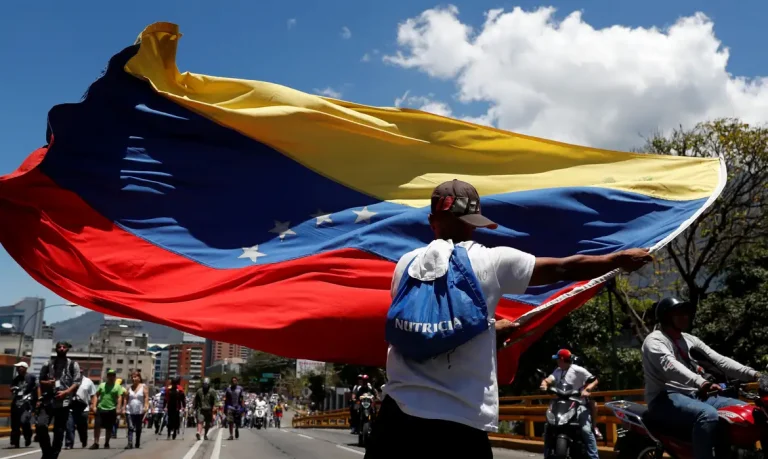
Although daily life in Caracas continues at a seemingly steady pace, the threats from Washington have had an effect on the population. “There is no doubt that the psychological warfare is very strong and deeply affects the Venezuelan people,” Fernandes said.
She added, however, that the country remains organized. “We’ve noticed both concern and a strong willingness among people to continue with their daily lives while preparing for a possible direct action. This willingness is noticeable in the voluntary enlistments carried out in recent months.”