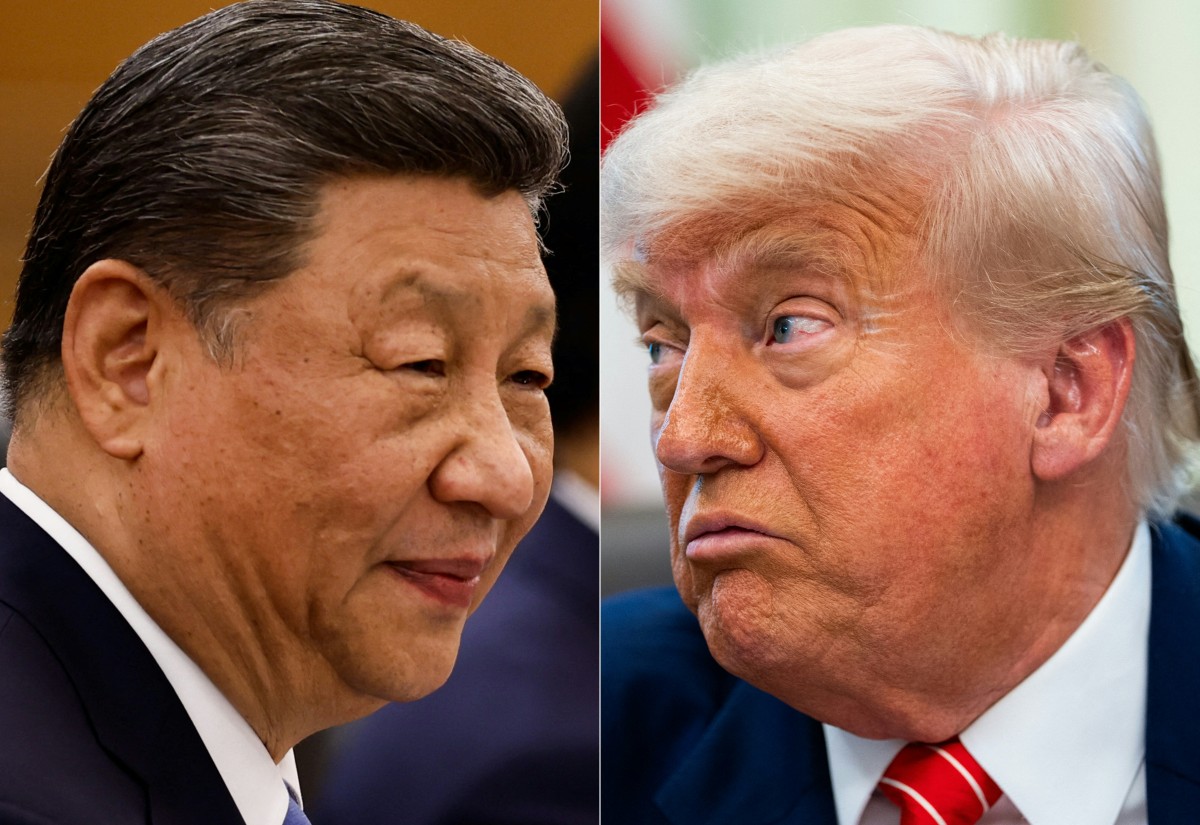
Amid escalating pressure from the United States against Iran, the Chinese government said on Tuesday (13) that it will firmly push back against tariffs imposed by Washington on countries that continue to trade with Tehran. The U.S. measure puts a 25% tariff on any transaction involving Iran, targeting nations that maintain commercial ties with the Persian country, directly affecting strategic partners such as China, Iran’s largest oil buyer and a major investor in infrastructure, energy, and technology.
According to Beijing, the U.S. decision goes beyond the bounds of international trade rules and constitutes a form of economic coercion.
Speaking at a press briefing, Chinese Foreign Ministry spokesperson Mao Ning stressed that there are no winners in tariff wars and said China will firmly safeguard its legitimate rights and interests. The stance, she noted, is not only a defense of trade but also an assertion of sovereignty and respect for international norms.
“China’s position on tariffs is very clear: there are no winners in a tariff war, and China will resolutely safeguard its legitimate and lawful rights and interests,” Mao said.
China also rejected any interference in the internal affairs of other countries and condemned the use, or threat, of force in international relations, emphasizing the need for all parties to contribute to peace and stability in the Middle East. In doing so, Beijing reaffirmed not only its commitment to Iran but also its support for a model of international cooperation based on dialogue and mutual respect.
“China opposes interference in the internal affairs of other countries and the use or threat of force in international affairs,” Mao added.
The spokesperson also said Beijing is closely monitoring developments in Iran and will take all necessary measures to ensure the safety of Chinese citizens in the country amid growing internal and external tensions.
In Washington, Chinese Embassy spokesperson Liu Pengyu echoed the position: “China firmly opposes all illegal unilateral sanctions and long-arm jurisdiction, and will take all necessary measures to safeguard its legitimate rights and interests. Tariff wars and trade wars have no winners, and coercion and pressure do not solve problems. Protectionism harms the interests of all parties.”
The statements underline that China’s resistance to U.S. tariff threats is coordinated across diplomatic and financial institutions, reinforcing Beijing’s view that the use of tariffs as a political weapon undermines the norms of global trade and represents a broader challenge to the international economic order.
U.S. and Israeli interference fuels violence, as crowds take to the streets in defense of Iran’s government
Iranian authorities have described recent protests against the government as the result of direct foreign interference and funding of opposition groups backed by the United States, Israel, and Western allies. According to Tehran, these actors seek to destabilize the country and undermine its sovereignty.
Officials claim that some protesters engaged in violence against security forces and public infrastructure, while large pro-government demonstrations emerged in response, with citizens mobilizing to defend national sovereignty.
The government has said the situation is “fully under control” and characterized many of the demonstrations as expressions of support for national sovereignty and opposition to foreign interference. Iran’s Foreign Minister, Seyed Abbas Araghchi, said events in several cities were described by state media as a “popular mobilization against American-Zionist terrorism.”
Images broadcast by official channels showed tens of thousands of Iranians marching with national flags, rejecting foreign intervention and voicing support for state institutions.
Pro-government demonstrations were reported in cities including Tehran, Kerman, Zahedan, and Birjand, with participants publicly emphasizing the need for national unity and resistance to external interference. Iranian state media portrayed the mobilizations as a sign of cohesion and solidarity in defense of the country’s sovereignty.