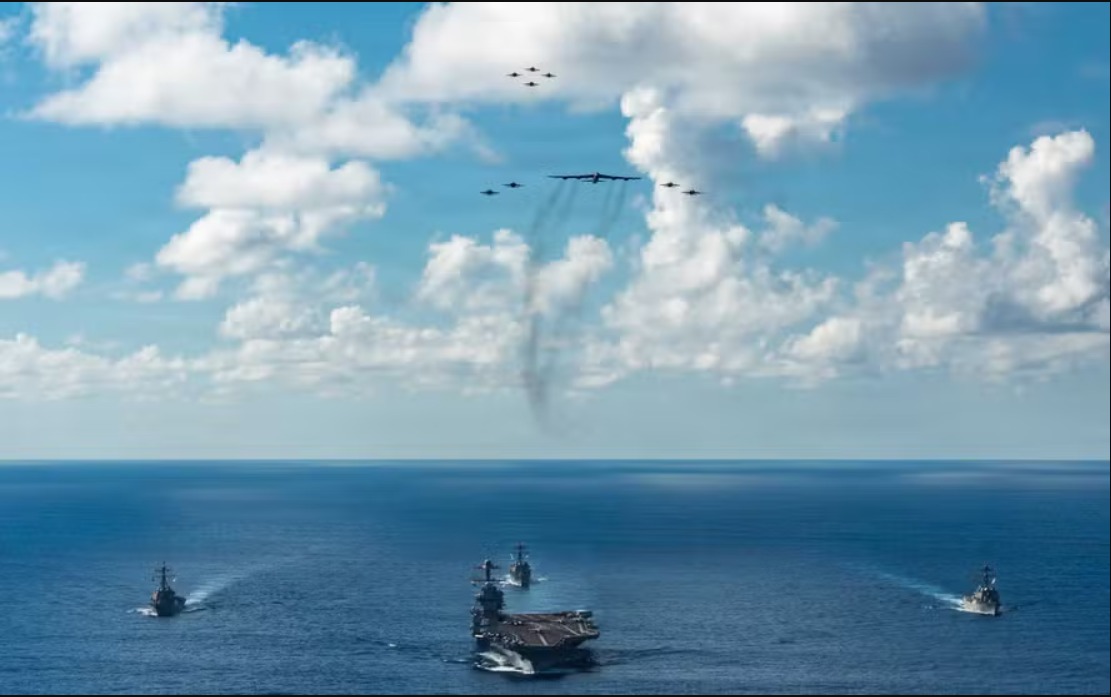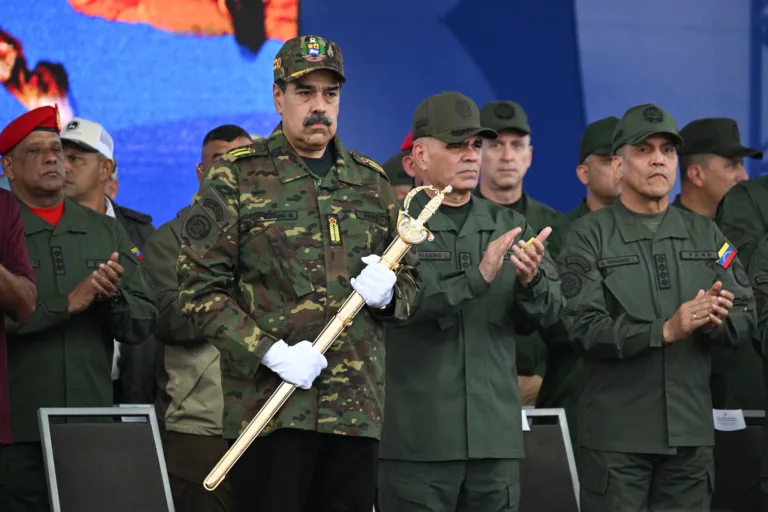
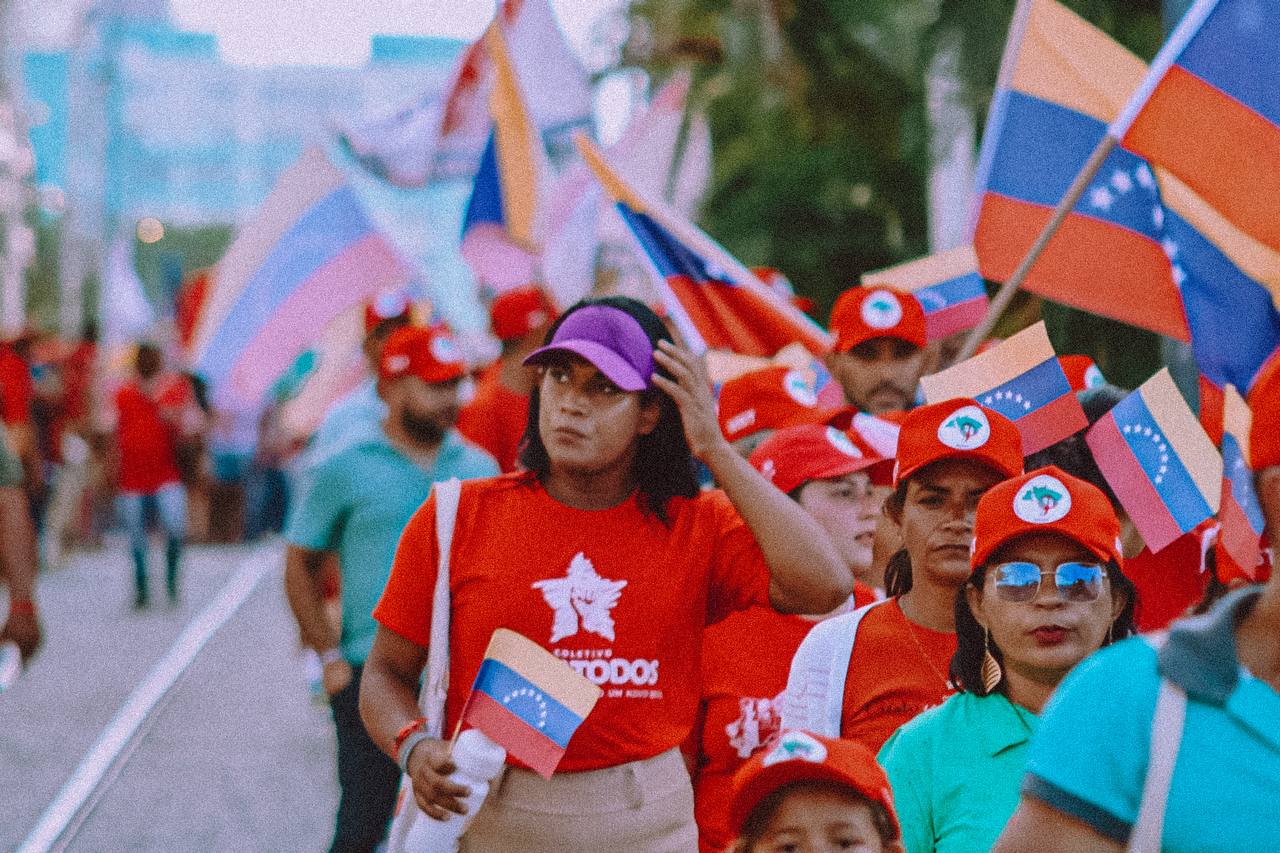
Brazil’s Landless Workers’ Movement (MST) has intensified solidarity actions with Venezuela since January 3, when the South American country was subjected to a U.S. military assault and its president, Nicolás Maduro, along with First Lady and National Assembly member Cilia Flores, were kidnapped by the administration of Donald Trump.
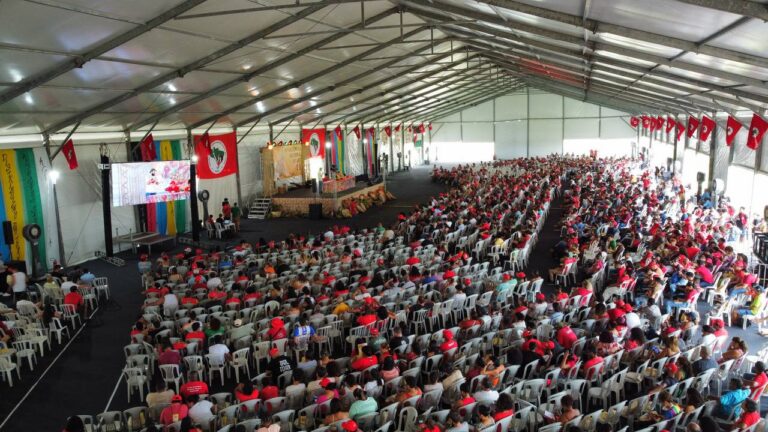
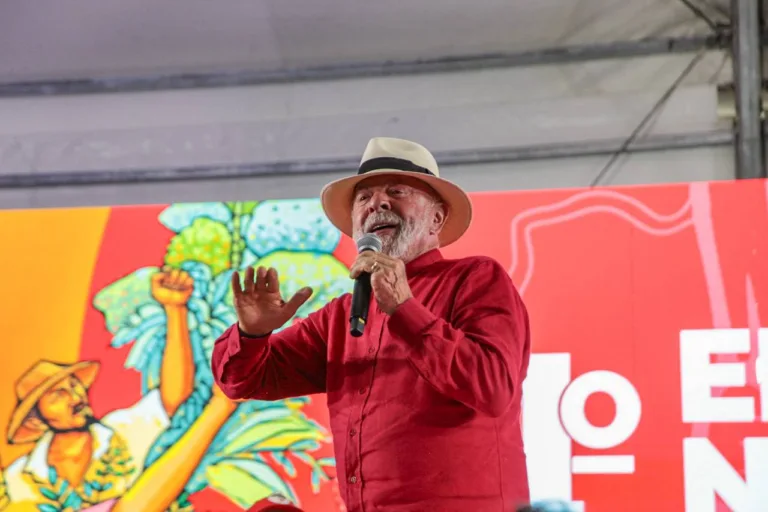
In the coming weeks, more than 50 MST militants are expected to join the internationalist brigade that remains in Venezuela, supporting the Venezuelan people in resisting imperial aggression. Solidarity with Venezuela was a central issue at the 14th National Meeting of the MST, held from January 19 to 23 in Salvador, in the Brazilian state of Bahia.
“In the situation we are facing, with the president and his wife abducted by the empire, it is essential that the movement, as a major organization in Brazil and globally, place Venezuela at the center of history,” said Aranha, a member of the MST’s Black collective, during a solidarity march that crossed Salvador’s historic center on the eve of the meeting’s closing session. “Venezuela today must receive solidarity from the entire world.”
According to Paulo Henrique Campos, a member of the MST’s National Coordination, the movement’s historic relationship with the Bolivarian Revolution makes defending Venezuela a moral obligation for those committed to democracy and socialism.
“This 14th National Meeting is historic, especially the act in defense of Venezuela’s sovereignty and the Bolivarian Revolution,” Campos said. “We demand the release of President Nicolás Maduro Moros and the combatant lawmaker Cilia Flores, as this is a milestone of solidarity with the peoples of Latin America and the world. Venezuela is under attack at this moment. We have a historic relationship with the Venezuelan people, and this struggle will continue in our territories, in the states and in all spaces of movement-building. It is our duty to defend the Venezuelan people and the Bolivarian Revolution, and we will continue organizing actions in their defense.”
High morale
The MST has maintained an internationalist brigade in Venezuela since the early years of the Bolivarian Revolution and plans to send additional militants to the neighboring country in the coming weeks to strengthen internal resistance efforts and provide direct support to the population.
Beyond practical actions and support for local agricultural development, the international solidarity mobilized by the MST has helped “raise morale” among Venezuelans in the face of imperial aggression, according to Jesús Monsalve, a leader of Venezuela’s Union of Communes.
“We receive the solidarity of the Landless Workers’ Movement as support that raises morale and ensures that this message reaches our country,” Monsalve said in an interview with BdF. “We are committed to serving as spokespersons for the Venezuelan process and ensuring that this solidarity reaches organized territories. The principle of internationalism is upheld by an organization with more than 40 years of struggle for land, in a sustained process that also advances the fight against agrochemicals, the building of cooperatives to address economic challenges, agroecology, the technological upgrading of production processes, and above all the organization of people around the struggle for land.”
Former minister of communes and United Socialist Party of Venezuela (PSUV) militant Érika Farías also attended the solidarity rally in Salvador and highlighted the importance of the movement led by the MST.
“The Landless Workers’ Movement is undoubtedly one of the organizations that most clearly demonstrates friendship and solidarity,” Farías said. “The bond of friendship and cooperation that unites us knows no limits. We are friends, we are brothers and sisters. We are here today because they are holding their 14th congress after 42 years of struggle, and we wanted to share in the immense strength of the movement, a force that also helped shape us, and to share with our comrades the struggle we are currently waging in Venezuela to bring back our president Nicolás Maduro and our comrade Cilia Flores.”
For Venezuelans, it is precisely the strength of popular organizations that has made it possible to sustain the country’s transformation project, even in the face of aggression that has lasted more than two decades.
“Beyond the parties allied with the PSUV, there is a vast network of organizations and movements involved in political life, as well as teams working in communal councils and communes,” Farías said. “All of this organization is now in the streets, because the revolution is built and defended in the streets, this is our most sophisticated weapon.”
Jesús Monsalve added that beyond resisting U.S. military aggression, Venezuela is defending a broader national project.
“Today, there are mobilizations almost every day in major cities and in the capital, called either autonomously or by the PSUV and the government,” he said. “Commander Chávez left us a historic project for building socialism in the territory through the commune.”
“The commune is a form of self-government in which the people exercise management through citizens’ assemblies and an internal structure of shared responsibilities,” Monsalve explained. “It is made up of multiple communal councils and represents our project of direct, participatory and protagonist democracy, as opposed to representative democracy, which many have tried to convince us is the only possible form of participation.”
“Imperialism is unsustainable and threatens life on the planet, as Hugo Rafael Chávez Frías used to say. The only way to overcome it is through the construction of socialism in the territory,” Monsalve concluded.