

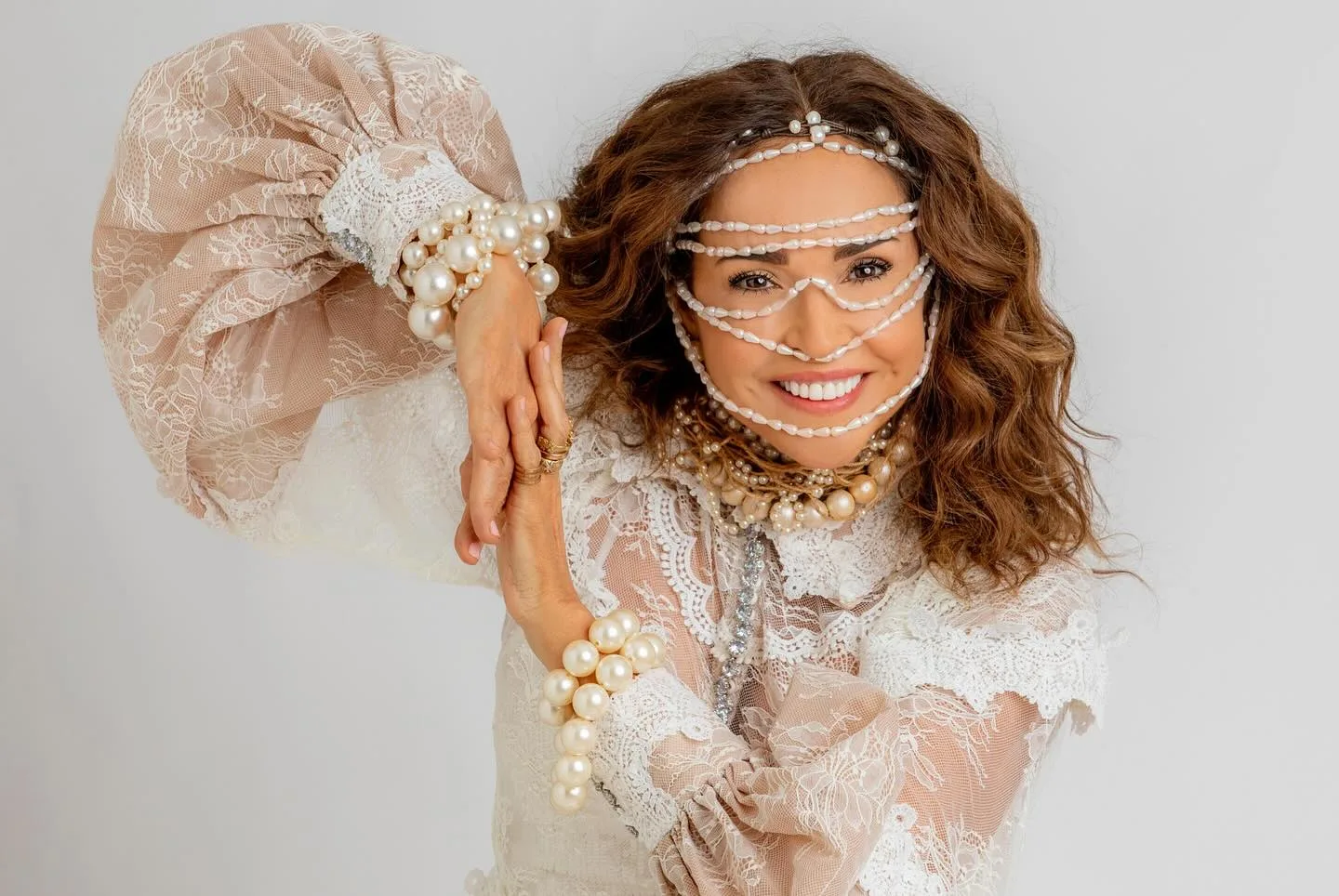
With over four decades of career, Daniela Mercury has released her 26th album, ‘Cirandaia’, a blend of Afro-Brazilian rhythms, Indigenous voices, and collaborations with artists like Davi Kopenawa, Ehuana Yaira, Dona Onete, Geraldo Azevedo, Chico César, and Alcione. The record explores themes of climate justice, female freedom, and love as a political force, reaffirming her commitment to art as a form of engagement.
In conversation with Radio BdF, Mercury argues that all art is inherently political, even when not overtly so. “We are political beings, and art inevitably reflects that. It doesn’t have to be propaganda, but it must be good enough to carry meaning through poetry,” she says. “Art demands courage, it’s our rebellion against violence,” she adds, quoting her song Galope.
The singer also reflects on social media, the legacy of Afro blocos in Bahia, and the challenge of keeping a critical voice in times of hatred and intolerance. “Yes, I lose opportunities and sponsorships. But I’ve learned that we don’t live alone, and I pay that price calmly,” she says. “We need joy, faith in ourselves, and the belief that we can change the world.”
BdF – In Cirandaia, you address climate justice and Indigenous rights, featuring Yanomami voices such as Davi Kopenawa. Can music be a way to talk about urgent issues, reaching even those who avoid politics?
Daniela Mercury – Art is political by nature, but it must also be beautiful and meaningful. Like Chico Buarque or Caetano Veloso, I try to balance art and message. My song with Davi Kopenawa and Ehuana Yaira is a collective work that honors the Yanomami worldview and their struggle to defend the forest. It’s about floods, climate disasters, and our shared responsibility. I sing it with my son, Gabriel, because it’s his generation that will pay the highest price for global warming.
The first track, “Axé Salvador,” features Afro blocos from Bahia. In the age of digital music, why revisit this collective spirit of street culture
The 40th anniversary of Axé Music inspired me to celebrate its roots. The song brings together rhythms from Ilê Aiyê, Olodum, and Cortejo Afro, blending samba-reggae and Afro-Bahian percussion. These groups revolutionized Brazilian music with their call-and-response melodies. Recording with their leaders was an act of gratitude and recognition for their legacy.
After 40 years, Axé Music is more than a genre, it’s a manifesto that brought Black artists to the forefront. Has it stood the test of time?
Absolutely. Axé was born from the streets and remains tied to Carnival and everyday life in Salvador. Today it’s more diverse than ever, absorbing global influences while staying true to its local roots. The world loves Brazilian music because it’s unique. The more different we are, the richer our contribution.
You once said that artists are like “extraterrestrials.” What do you mean by that?
I call us that affectionately, we live between worlds, guided by sensitivity and imagination. We bring poetry to everyday life. My song “Estranhos Terrestres” talks about artists as dreamers who make beauty out of chaos.
Your career took off in 1992 with a show at São Paulo’s MASP (São Paulo Museum of Art) that literally shook the building. What do you remember from that day?
It was surreal. I arrived from Bahia with my band and no money, not knowing what to expect. When thousands of people showed up, it was overwhelming. I played “Swing da Cor”, one of the first samba-reggae hits. The radio said it was “too strange,” and I replied: “Isn’t that the point?” That performance opened the world to me.
You’ve long used your platform to defend LGBT+ rights. Has taking a public stance affected your career?
It has. I’ve lost sponsors and spaces, not just for being LGBT but for speaking out. Many still struggle to accept diversity. But the internet has helped expose intolerance and connect people. Words can heal or harm, they’re as sharp as weapons. Even so, I’d rather stay true to my beliefs. I pay that price calmly because silence would cost more.
You’re also a teacher’s daughter. Does that shape how you see your role as an artist?
Definitely. Paulo Freire said joy is essential to education, and I see music the same way, it teaches, it heals. Onstage, I try to share knowledge humbly. But when it comes to urgent issues like the environment, I speak up. My social media is personal and authentic; I post everything myself. I see it as a civic responsibility to communicate truthfully.
Last month, you joined artists like Caetano Veloso and Chico Buarque in protests against the “Impunity Bill.” Why was that important to you?
Because democracy needs voices. When Caetano called, we all came together, as we did in the Ato pela Terra in Brasília. These artists taught me that art and activism go hand in hand. Joining the people in the streets reminds us that music is also a tool for justice.
After years of neglect under Bolsonaro, is Brazil finally rebuilding its cultural policies?
Yes, slowly. The Ministry of Culture was dismantled, but artists resisted. Laws like Aldir Blanc and Paulo Gustavo restored funding and dignity. Margareth Menezes is doing a great job distributing resources nationwide. Culture isn’t an expense, it’s an investment that generates jobs and identity.
You often say being free is a political act. What does freedom mean to you in 2025?
It means creating ‘Cirandaia’ the way I want, inviting Lauana Prado, Zélia Duncan, Chico César, Dona Onete, Davi Kopenawa. It means celebrating my 13-year marriage with Malu, reaffirming love despite prejudice. My freedom is living from art, not from money; choosing joy, humanity, and peace. As Paulo Freire said, “Beauty and joy are what we need to keep fighting, because life itself is the struggle.”
Read the full interview in Portuguese.
