The global race for lithium – often called ‘white gold’ – has accelerated in recent years, driven by the boom in energy transition initiatives. This light, high-energy metal is a key component in batteries used in smartphones, electric vehicles and renewable energy systems such as solar and wind. But amid promises of clean energy, critical questions emerge: Who profits from this rapid expansion? And who bears the cost?
BdF raised this questions while exploring the geopolitical, economic and socio-environmental impacts of lithium mining in Brazil and across Latin America.
Globally, the top producers are Australia, Chile, China, Zimbabwe and Argentina. But Brazil is already among the six largest, with the Jequitinhonha Valley, in the southeastern state of Minas Gerais, becoming a rapidly expanding mining frontier.
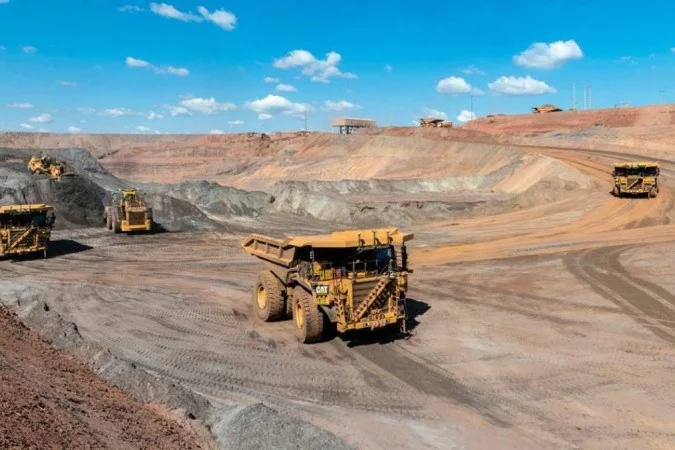
Between 2023 and 2024, Brazil’s lithium output doubled. After the Bolsonaro government lifted export restrictions on the mineral, the sector saw a surge in foreign investment. One prominent example is Canadian firm Sigma Lithium, which operates the Grota do Cirilo complex – now one of the largest lithium extraction sites in the world.
While the Minas Gerais state government promotes the region as the “Lithium Valley,” local landscapes and communities are being transformed. Residents report increased respiratory problems, cracked walls, water shortages, and the rise of mining waste, noise pollution and heavy truck traffic.
Violations, lack of consultation and growing risks in the Global South
In October 2025, Brazil’s Federal Prosecutor’s Office (MPF) recommended suspending licenses granted without prior, free and informed consultation with Indigenous, Quilombola and traditional communities. This right is guaranteed by the International Labour Organization’s Convention 169, which Brazil has ratified and the Supreme Court recognizes as binding law.
The MPF also flagged an irregular validation cycle: companies claim there are no affected populations, the state licenses the projects based on that assumption, and the permits themselves are then used to justify overlooking local impacts. Prosecutors have identified overwhelmed public services and severe water restrictions in the region.
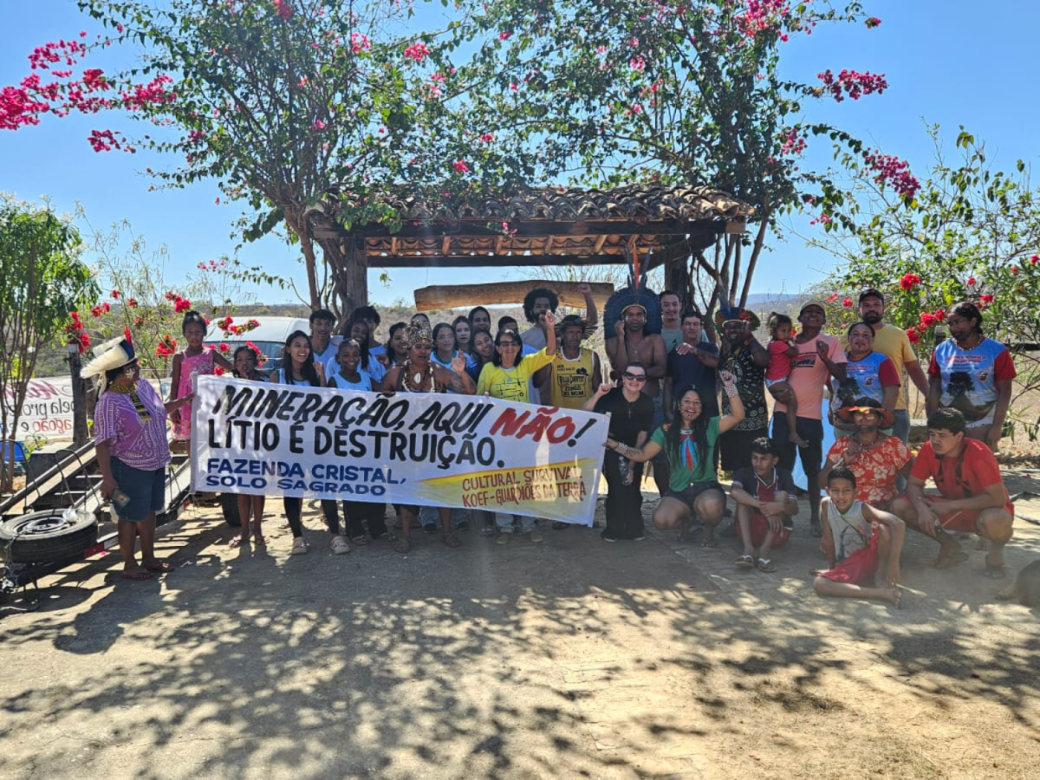
On the Cinta Vermelha Jundiba Indigenous Land, local leaders report harassment and efforts to erase their presence. Communities like Ponto do Piauí and Poço Dantas are dealing with silted-up streams and constant blasting from nearby mining operations.
Though lithium extraction is concentrated in the Global South, it is the Global North that reaps the greatest benefits from investment and technological development. In Latin America’s so-called “Lithium Triangle”, comprising Chile, Argentina and Bolivia, extraction models vary: the first two follow a strongly privatized model, while Bolivia has pursued a more state-controlled approach. The 2019 coup that ousted Bolivian President Evo Morales exposed international pressure over national control of lithium reserves.
For Brazil’s Movement for Popular Sovereignty over Mining (MAM), a just energy transition must include territorial rights and local value-added production. That means moving beyond the model of raw lithium exports and investing in domestic processing and industrial chains.