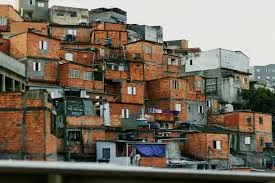
Severe food insecurity affects nearly one-third of residents in Jardim Ibirapuera, a neighborhood in southern São Paulo, a rate 2.5 times higher than the city average. The finding comes from Ethnography of Food and Hunger, a study by the Ibira 30 Observatory, linked to community group Bloco do Beco. In an interview with Radio BdF, project coordinator Marcelo Zarzuela Coelho said the data show how hunger in Brazil today “has gender and color” and how the spread of ultra-processed foods is creating a “new hunger map” across the country.
According to Coelho, “one-third of our community struggles to eat,” which often means taking out loans to buy food, skipping meals, or mothers “giving up their own meal so their children can eat.” Hunger, he said, hits hardest among “women-headed households, especially Black women.”
The survey also examined local eating habits and found that children and teenagers are particularly influenced by digital advertising. “The periphery is where ultra-processed foods circulate the most,” Coelho explained. Even as Brazil works to remove itself from the UN hunger map, he added, “a new map is emerging, of people who eat poorly, who are malnourished; and like the old one, it has an address, a ZIP code, a color, and a gender.”
The study will be launched on Tuesday (18) at the Paula Souza Amphitheater of the University of São Paulo’s School of Public Health.
Urban gardens, neighborhood networks, and food culture
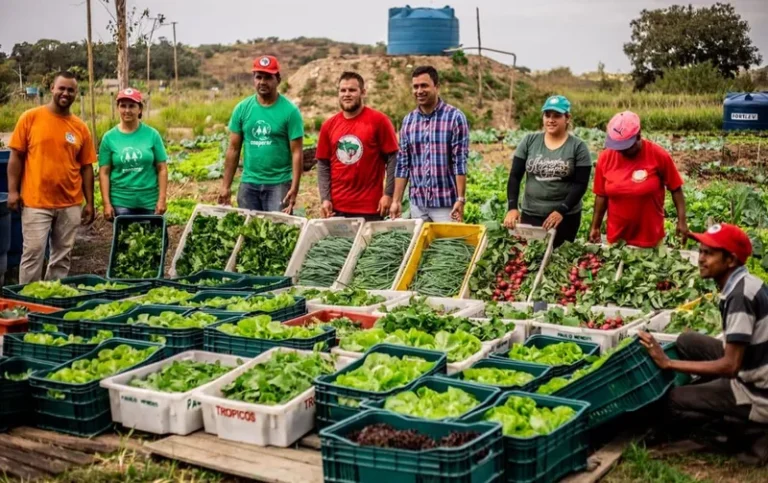
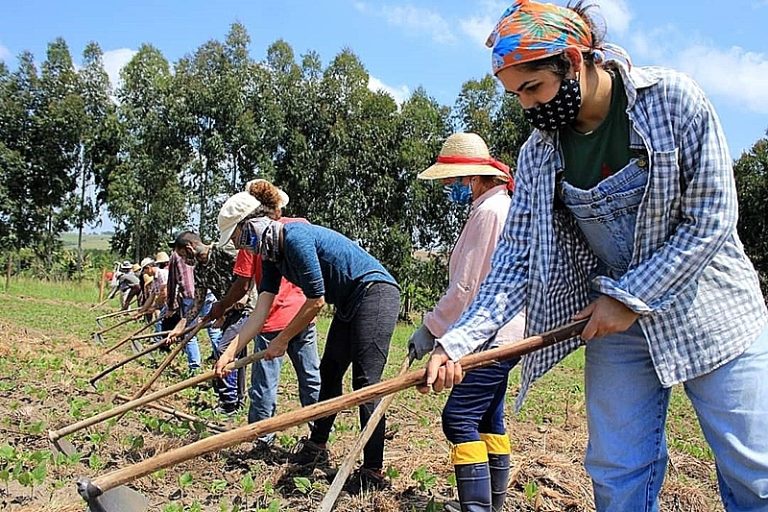
Community responses, Coelho emphasized, are crucial in the absence of state action. “Hunger is a silent issue,” he said, marked by shame and invisibility. Amid this silence, local initiatives have emerged, such as urban gardens built by residents in partnership with Bloco do Beco.
“It’s a hugely important solution because it produces fresh food for immediate consumption,” he noted. Beyond nutrition, these gardens bring environmental benefits, reduce costs, and improve mental health. “Residents working in these gardens report a series of benefits connected to mental well-being,” he added.
Another key element is the informal food-security network: neighbors, street markets, and small shops that allow people to buy on credit. “It’s that classic ‘I’ll pay you when I get my paycheck,’” he explained. These ties sustain food access in areas where public distribution infrastructure is almost nonexistent.
Coelho argued that the flood of ultra-processed food advertising in poor neighborhoods demands a response through popular communication. “We need influencers who talk about eating well, an army of good practices,” he said. “Everyone has a cellphone and is bombarded by ultra-processed food ads, while access to quality information about nutrition is scarce.”
He hopes the study will inform public policy but insists on decentralizing data production. “Other communities need to localize this indicator,” he said. The team is now working to turn the results into microdata that reveal realities beyond the official radar. “We want to make this the data of the community that isn’t heard, that isn’t in the census,” he concluded.