
The International Day for the Elimination of Violence Against Women, marked every November 25, traces its origins to the struggle of the Dominican sisters Patria, Minerva, and María Teresa Mirabal, who were murdered in 1960 under orders from dictator Rafael Trujillo for leading political resistance against his regime.
Forty years later, in 1999, the United Nations (UN) officially recognized the date as the International Day for the Elimination of Violence Against Women. In the 25 years since, global efforts to address gender-based violence have grown in visibility and scope, yet the problem persists.
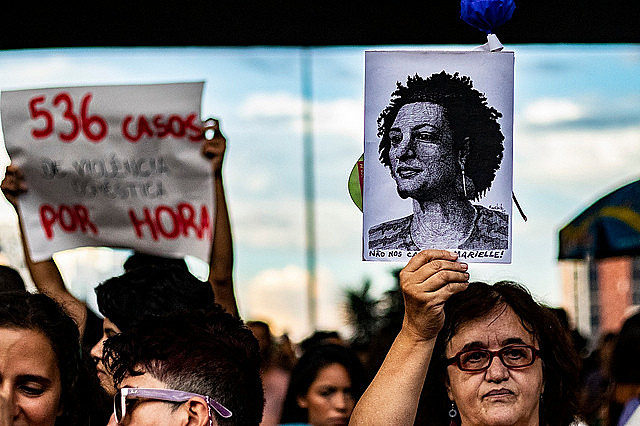
A new World Health Organization (WHO) study, released on November 19, revealed that at least 840 million women aged 15 to 49 have suffered sexual or domestic violence at some point in their lives. That represents one in every three women worldwide. The report, which analyzed data from 168 countries between 2000 and 2023, shows that levels of violence against women have barely changed since the turn of the century. In 2000, 30.8% of women in this age group had experienced gender-based violence; in 2023, the figure declined by just 5%.
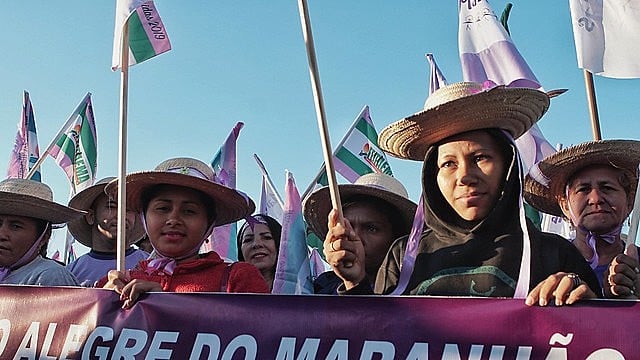
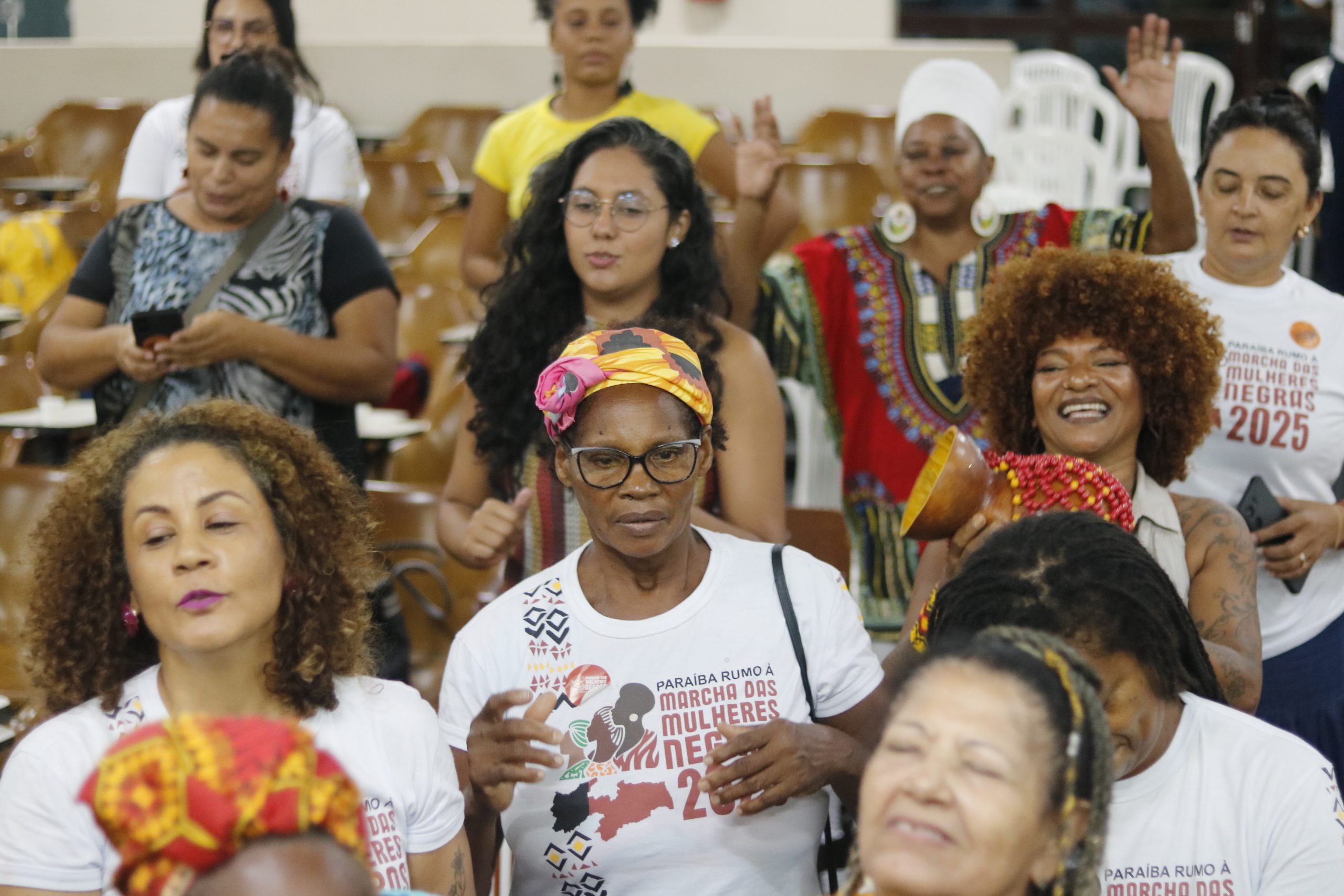
In Brazil, Mara Lucia da Silva, from the Black Women’s March, says that the country’s current support network for women remains far from meeting the needs of those most at risk. “The services that exist don’t reach the country’s outskirts, where the majority of women are poor and Black,” she told BdF. These services include psychosocial support, legal mechanisms such as awareness campaigns, helplines, the Maria da Penha Law (a landmark legal framework that strengthens protections for women against domestic and family violence. It establishes preventive measures, specialized courts, and tougher penalties for offenders), and shelters such as the Casa da Mulher Brasileira.
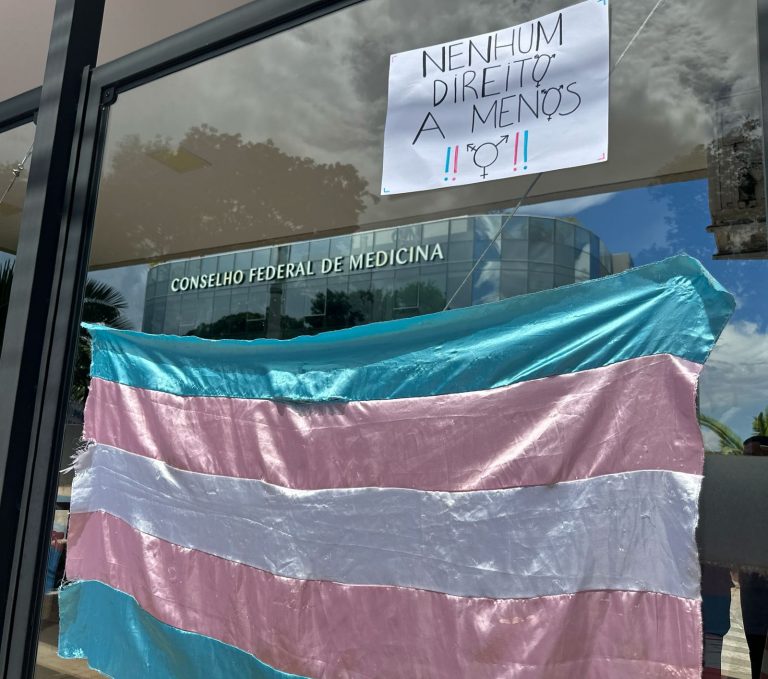
“The problem is that what’s offered is not enough. It doesn’t reach the peripheries; it doesn’t reach Black women, lesbians, or trans women,” Silva said. “One of our main challenges is to expand these networks, to include education, work, and housing. Violence against women is extremely complex because it reaches everywhere, and the numbers are alarming.”
Silva’s assessment reflects a broader perception: that while institutional progress has been made, the system remains insufficient to address the scale of gender violence, particularly for poor and Black women, who continue to be the most vulnerable. “Under the previous administration [of Jair Bolsonaro], all the mechanisms for protecting women were dismantled, showing a deep contempt for us,” she added. “We are now doing the hard work of rebuilding these and other mechanisms to create and enforce new forms of protection. We need real public policies.”
For Sônia Coelho, a member of the Sempreviva Feminist Organization (SOF) and the World March of Women, both patriarchy and racism are intensifying gender-based violence. She refers to Argentine anthropologist Rita Segato, who argues that men are shaped by a “mandate of masculinity” — expressed through actions and discourse that validate and reproduce domination.
“This is a time when men are receiving a very strong mandate of power, of masculinity, of asserting dominance,” Coelho explained. “That’s why it’s important to contextualize this: we’re seeing violence expand across all areas of society.”
“Social media is one of the main spaces where violence against women, especially young girls, takes place,” she continued. “As women assume leadership roles, they become even more exposed, whether to political violence or to the growing number of femicides in a society that normalizes war and trivializes everything. As the use of weapons grows, so does violence, and women bear the brunt.”
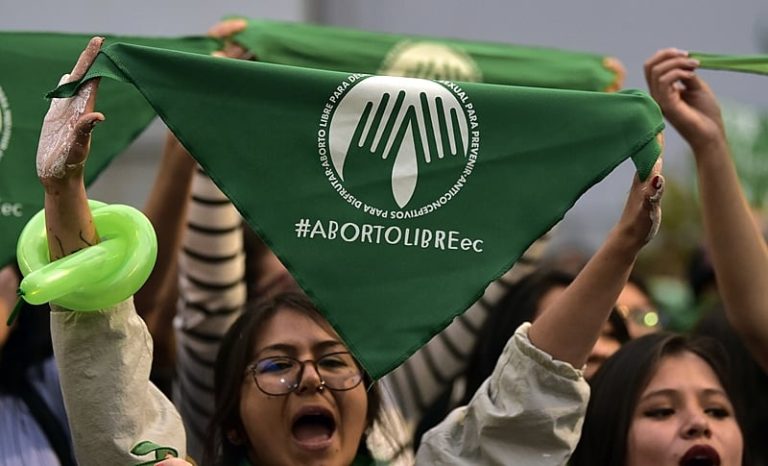
Coelho also highlighted the uneven reach of public policies for women and the simultaneous backlash in Congress, pointing to Bill 1.904/2024, known as the “Rape Bill”, which seeks to classify legal abortion after 22 weeks, even in cases of rape, as equivalent to simple homicide.
“The first need of anyone who suffers violence is to receive medical, psychological and emotional care,” she said. “Many women and girls who are raped are also threatened. They have the right to receive full treatment before filing a police report. They must be strengthened and protected in order to speak out. Today, we’re seeing a regression in that area.”
Coelho emphasized the need for permanent public campaigns, professional training in health and social assistance, and integrated interagency action to combat violence, which often escalates into femicide after repeated abuse. “It’s mostly through health services that women seek help when they face sexual, physical, or psychological violence,” she said. “The health system must be prepared, with trained professionals who can receive these women properly, guide them, and help them understand what they’ve experienced, so they can find a way out.”