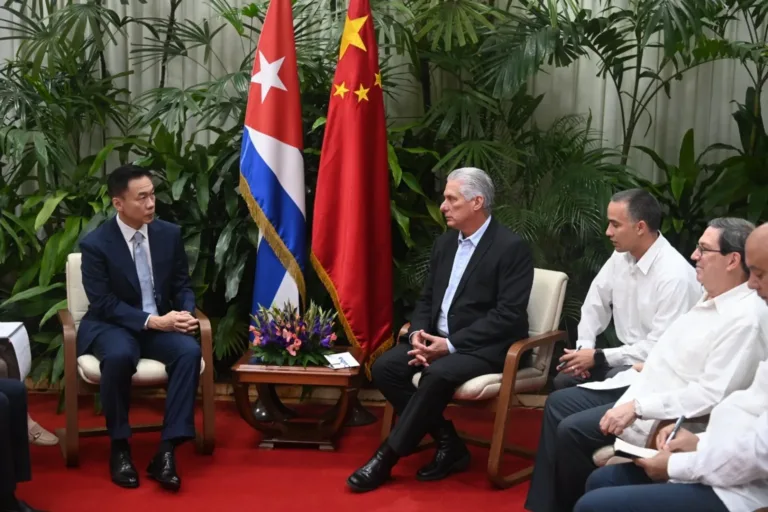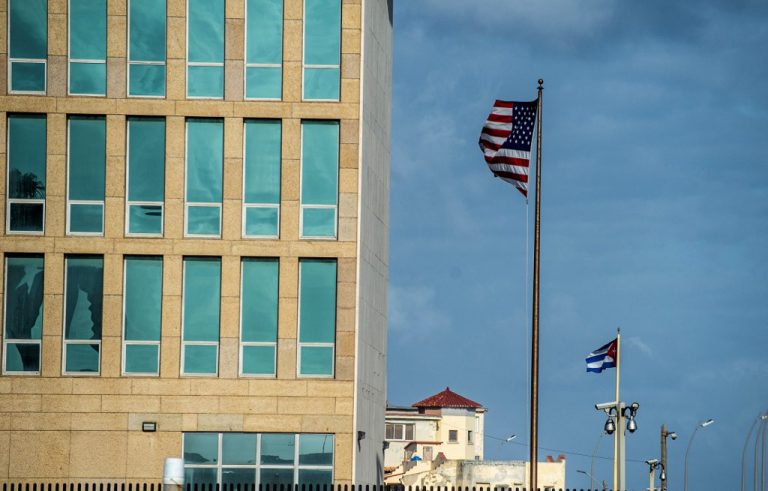

In a strong show of support for Cuba, the Chinese government on Tuesday (27) condemned the sanctions imposed on the island by the United States, denouncing violations of international law and attempts to undermine Cuba’s sovereignty. China also voiced concern over a possible expansion of the measures and reaffirmed its support for the country.
“Cuba is not alone,” said Chinese Foreign Ministry spokesperson Guo Jiakun during a press briefing, in response to a question from BdF. Guo stated that China is deeply concerned about Washington’s actions, stressing that the measures directly harm the lives of the Cuban people and violate their fundamental rights.
“China expresses its deep concern and firm opposition to the actions of the U.S. These measures not only damage Cuba’s economy, but directly affect the Cuban people, depriving them of basic rights such as access to energy and the means of survival,” Guo said.
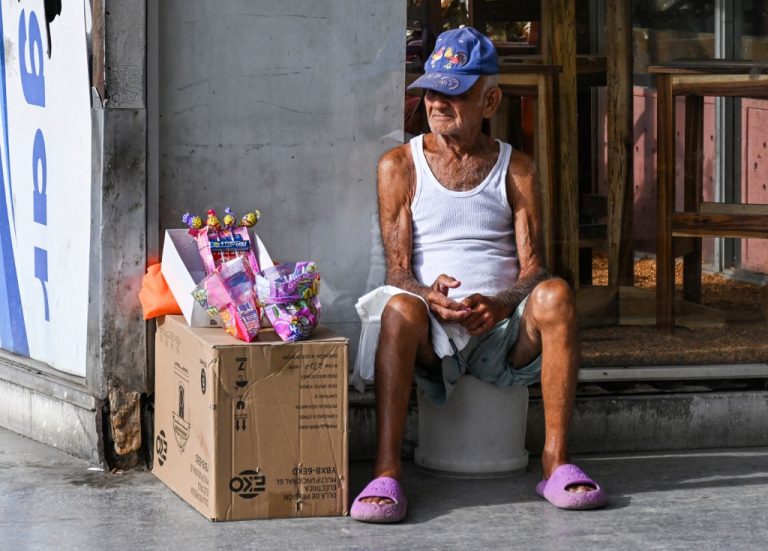
The energy blockade, one of Washington’s main pressure tools, has caused fuel shortages and frequent power outages, disrupting healthcare, education and other essential services across the island. Guo emphasized that the sanctions affect not only economic indicators, but the daily lives of Cubans, who face serious difficulties in maintaining basic infrastructure.
The spokesperson reiterated China’s support for Cuba and its national sovereignty, stating that U.S. actions are illegal and lack any legitimate justification. “Cuba does not harbor hostility toward any nation. The United States has no right to interfere in Cuba’s internal affairs,” Guo said, adding that the island’s economic hardships are a direct result of unilateral sanctions imposed by Washington.
“China understands that Cuba’s economic difficulties are not the result of internal failure, but of hostile and illegal policies imposed by external powers seeking to destabilize the country,” he continued. “The Cuban people have the right to live free from external threats and pressure aimed at subverting their political system and development choices. Sanctions and blockades cannot and must not be used to justify such interference.”
China also expressed growing concern over the possibility of even harsher measures, including a naval blockade, which would further worsen the already severe situation on the island. “China firmly opposes any measure that deprives the Cuban people of their fundamental rights and further aggravates the country’s economic conditions. Cuba has the right to choose its own path of development, without external interference,” Guo said.
He reaffirmed China’s solidarity, saying, “China reiterates that Cuba is not alone. We reaffirm our commitment to international solidarity and to defending Cuba’s sovereignty, and we will continue to work alongside the Cuban people to ensure that their independence and self-determination are respected.”
China has not only opposed Washington’s unilateral sanctions, but also pledged continued support for Cuba through humanitarian assistance, economic cooperation and diplomatic engagement on the international stage.
U.S. sanctions on Cuba: a decades-long economic siege
U.S. economic sanctions against Cuba began shortly after the Cuban Revolution in the early 1960s. In 1960, after Fidel Castro’s government adopted socialism and nationalized key industries, Washington imposed a partial embargo. In 1962, the measures were expanded into a full economic blockade, severely restricting trade and access to essential resources.
Over the decades, the sanctions have intensified, affecting sectors such as food, medicine and other basic goods. The 1996 Helms-Burton Act further tightened the embargo, making restrictions even more rigid.
Under President Donald Trump, sanctions against Cuba were significantly expanded. His administration imposed new restrictions, particularly in the energy sector, limiting oil supplies and leading to fuel shortages and frequent blackouts. These outages disrupted essential services such as healthcare, education and transportation, deepening Cuba’s economic and social crisis.
A historic alliance with China: a pillar of solidarity
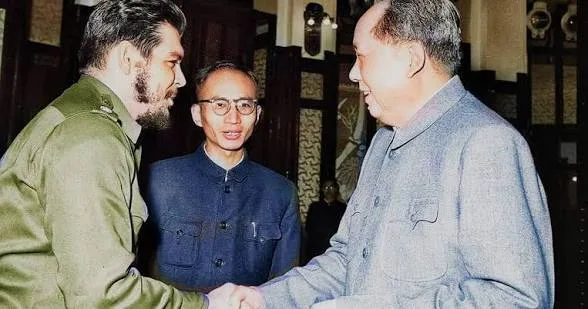
Since the 1959 Cuban Revolution, Cuba has sought international partners to confront the challenges imposed by U.S. sanctions. The alliance between Cuba and China began to strengthen in the early 1960s, as both countries embraced socialist projects and resistance to imperialism. Since then, China has been a strategic ally, providing economic, political and diplomatic support, especially after the collapse of Soviet support in the early 1990s.
In 2004, Cuba and China signed a bilateral cooperation agreement that established a solid economic partnership, which has been essential in helping Cuba mitigate the effects of U.S. sanctions. China has become a key trade partner, supplying vital resources such as oil and manufactured goods, while consistently backing Cuba in international forums.
Cooperation has also extended to areas such as healthcare, including the exchange of medical professionals, as well as infrastructure and technology projects. When the U.S. intensified energy sanctions under Trump, China played a crucial role in helping Cuba secure fuel and maintain essential services.
In recent years, China has repeatedly reaffirmed its opposition to unilateral sanctions and denounced their impact on the well-being of the Cuban population. In 2021, Beijing again criticized the embargo and underscored Cuba’s importance to international solidarity and the defense of national sovereignty.
As the threat of a naval blockade grows and energy sanctions intensify, China continues to serve as a central pillar of support for Cuba, helping the country preserve its sovereignty and seek alternatives to confront the economic hardships imposed by the United States. This historic partnership is not merely commercial, but an alliance grounded in shared principles and resistance to external imposition.