In a session held on Wednesday (28), the Collegiate Board of Brazil’s National Health Surveillance Agency (Anvisa) approved decisive regulatory changes for the country’s medical cannabis sector, complying with a ruling by the Superior Court of Justice (STJ).
Anvisa approved a resolution that, among other advances, allows compounding pharmacies to dispense cannabidiol-based products through individualized medical prescriptions. The agency also announced that it will open public calls to select non-profit associations to participate in a phase of “controlled testing” for cannabis cultivation and oil extraction.
For lawyer Erik Torquato, a specialist in medical cannabis regulation, the decision represents a paradigm shift in how civil society organizations are treated. “It is undoubtedly a major advance in Brazil’s national cannabis control policy and a recognition of the social role of patient associations and their importance in democratizing access,” Torquato said. “The goal is for Anvisa to establish a definitive regulation capable of addressing the specific needs of association-led initiatives.”
The decision deepens a process of regulatory opening that gained momentum in November 2024, when the STJ issued a landmark ruling stating that Brazil’s Drug Law does not apply to cannabis varieties with negligible levels of tetrahydrocannabinol (THC), the compound responsible for the plant’s psychoactive effects.
At the time, the court authorized a company to import seeds with low THC and high cannabidiol content, reinforcing the understanding that non-intoxicating compounds with proven medicinal properties have a distinct legal nature from prohibited substances.
Aligned with this legal evolution, Anvisa’s new rules expand the permitted forms of administration to include dermatological, sublingual and oral-mucosal products, in addition to the oral and inhalation methods already authorized.
Another significant change concerns treatments requiring THC concentrations above 0.3%. Previously restricted to terminal patients or those receiving palliative care, access is now extended to individuals diagnosed with severe debilitating diseases, broadening the therapeutic scope for a range of chronic conditions. The agency also updated its technical terminology, formally incorporating the term “nasal route” into the category of inhalation.
On the industrial and commercial front, Anvisa now allows the importation of the plant or its extracts for pharmaceutical production within Brazil, a measure that could reduce final costs for patients.
Regarding communication, the previous blanket ban on advertising has been replaced by a controlled opening. Companies may now share technical information, provided it is directed exclusively at healthcare professionals authorized to prescribe and limited to content already validated by Anvisa.
Despite these changes, the regulatory agency emphasized that recreational use remains prohibited, maintaining a strict focus on patient health and sanitary safety.
Cultivation rules and patient associations
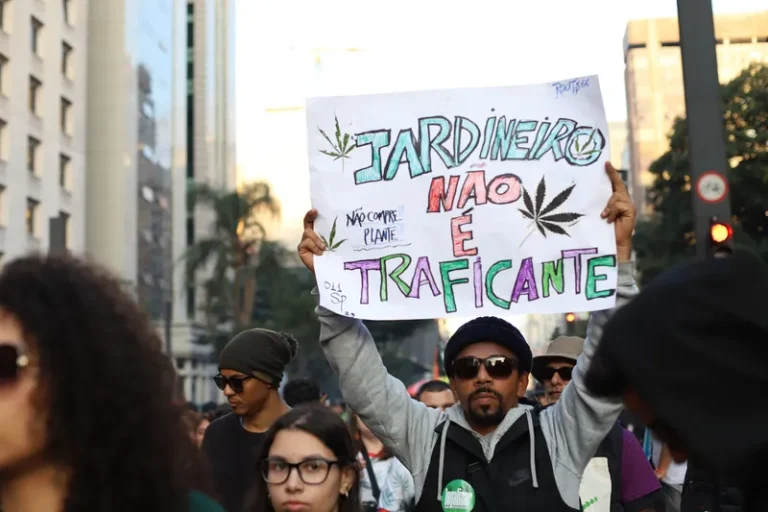
Anvisa also approved a proposal establishing rules for the cultivation and domestic production of cannabis for medical and scientific purposes. This marks the first time Brazil has clear standards for large-scale cultivation by companies. Cultivation by patient associations, however, remains subject to stricter conditions.
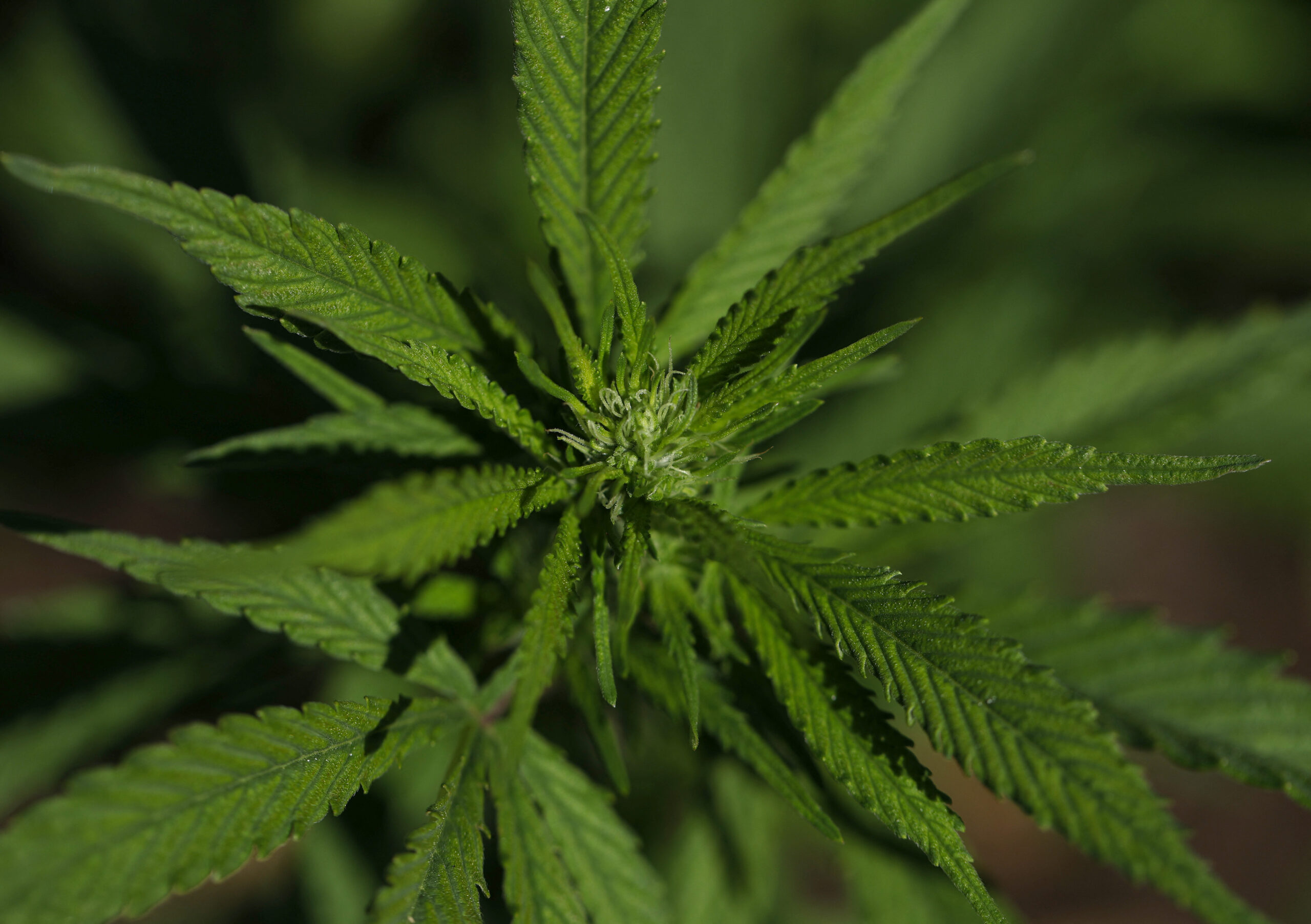
Pharmaceutical and research companies will be allowed to cultivate cannabis under rigorous sanitary authorization, limited to plants with THC levels of up to 0.3% (industrial hemp), in line with the court ruling.
The entire process, from planting to the final product, will be subject to strict monitoring, including 24-hour security and controlled access. Production will be permitted for medicines, scientific research and supply to non-profit associations. These rules will initially be valid for six months, serving as a testing and adjustment period for the sector.
For patient-led medical cannabis associations, Anvisa director Thiago Campos defended a “controlled testing” model. Under this approach, cultivation by associations will not be broadly authorized, but allowed through public calls that have yet to be launched.
Torquato explained that the structure will function as a regulatory sandbox. “This tool is designed to create a controlled regulatory environment, where activities are supervised and subject to security criteria. It allows Anvisa to gather data and, based on that, make a definitive decision on the most appropriate regulatory model for association-led activities,” he said.
Although no timeline has been announced for the public call, Torquato expects the creation of a technical working group. “I believe it will be a diverse group, including representatives from associations and other strategic areas of public administration,” he said.
Anvisa representatives argued that this approach allows the agency to assess the sanitary feasibility of small-scale production before broader liberalization, ensuring associations meet minimum safety and quality standards. They stressed that the goal is to integrate associations into the regulatory system under strict oversight to prevent misuse.
Selected associations will be required to focus on producing medicinal extracts and inputs, following quality and safety standards set by the agency. These rules will have an initial validity of five years, allowing Anvisa to monitor the feasibility of non-industrial production models.
Like companies, associations must ensure monitored cultivation areas and full product traceability, from seed to patient delivery.
Anvisa president Leandro Safatle stated that the agency could no longer ignore the reality of patient associations. He acknowledged that associations have played a fundamental role where both the state and the market failed, ensuring access for thousands of patients in recent years. The new regulation, he said, aims to remove associations from a situation of legal vulnerability.
One of the most sensitive and celebrated changes, according to Torquato, is the amendment to Anvisa Ordinance 344, which removes cannabis with up to 0.3% THC from the list of prohibited substances. “This will open a debate in criminal cases against association leaders who are currently prosecuted for drug trafficking for producing medicine and sharing health,” he explained. “The substances they cultivate no longer constitute the material basis of the crime of trafficking. This is an advance that will directly impact these criminal proceedings.”
Safatle emphasized that the proposal was not developed in isolation, noting that more than 15 associations were consulted and that the final regulation reflects extensive dialogue with patients and experts. He argued that domestic cultivation, by both companies and associations, is a matter of sovereignty and public health, essential to reducing dependence on imports and lowering treatment costs in Brazil.
During the public hearing held Wednesday, state lawmaker Eduardo Suplicy (PT–São Paulo) stated that international drug conventions do not impose THC limits for therapeutic and scientific use. “This decision gives us the necessary backing to act responsibly,” he said.
Suplicy, who uses cannabis oil to treat Parkinson’s disease, argued for “a proportional regulatory framework, tailored to different uses and grounded in safety, with rules that protect patients, encourage research, enable the development of a high-quality national industry and, at the same time, recognize the reality of associations, their work, capacities and limitations.”
Cidinha Carvalho, president of the Cultive Association, attended the meeting as a representative of patients and cultivation associations. She highlighted the historic importance of the decision for families who depend on treatment, emphasizing that regulating domestic cultivation is a victory for patient-led advocacy.
While acknowledging the progress, Carvalho stressed that oversight must be inclusive of small associations, not only large industry. She cited the case of her 21-year-old daughter, Clarian, who has Dravet syndrome, a rare form of epilepsy, and relies on cannabis oil, as an example of the urgent need for safe, affordable access to medical cannabis in Brazil.
“We do not want to remain in civil disobedience, but if necessary, we will. This is not defiance; it is a state of necessity,” Carvalho said. “By officially recognizing patient and family associations and granting cultivation and extraction authorizations with rules proportional to each group’s reality, it is essential that we have access to inputs, credit lines, social inclusion policies and historical reparation for those affected by prohibition, ensuring their participation in the production chain.”
Enor Machado de Morais, president and founder of the Flor da Vida Therapeutic Medical Cannabis Association, celebrated Anvisa’s new guidelines. “Today is a historic day at Anvisa. All associations came together in pursuit of a greater good: democratic access to cannabis for the Brazilian people,” he said. “It is a victory, the day associations were recognized. We will closely follow the implementation of this new regulation to ensure it is inclusive, covers all types of associations and delivers high-quality, Brazilian-made oil to every corner of the country.”
Research on cannabis
Anvisa directors also approved a new regulatory framework for cannabis research. A specific resolution was proposed for universities and research institutes, allowing the use of plants with THC levels above 0.3%, provided they are legally imported, for scientific research.
“From now on, we will have a safer scientific environment to advance data on the applications of other cannabinoids,” Torquato explained. “With this data, it will be possible to develop technology and national autonomy in relation to cannabis.”
Research institutions will be required to maintain maximum security standards, including 24-hour surveillance, alarms and physical barriers, and will be strictly prohibited from commercializing or directly distributing any produced material to patients.
“The victory at Anvisa for associations and researchers reflects the importance of social movements, activism and collective action in the fight for broad access and social justice,” said a social anthropologist and educator at Inflore, Brazil’s first cannabis education company focused on professional training for the global cannabis market.