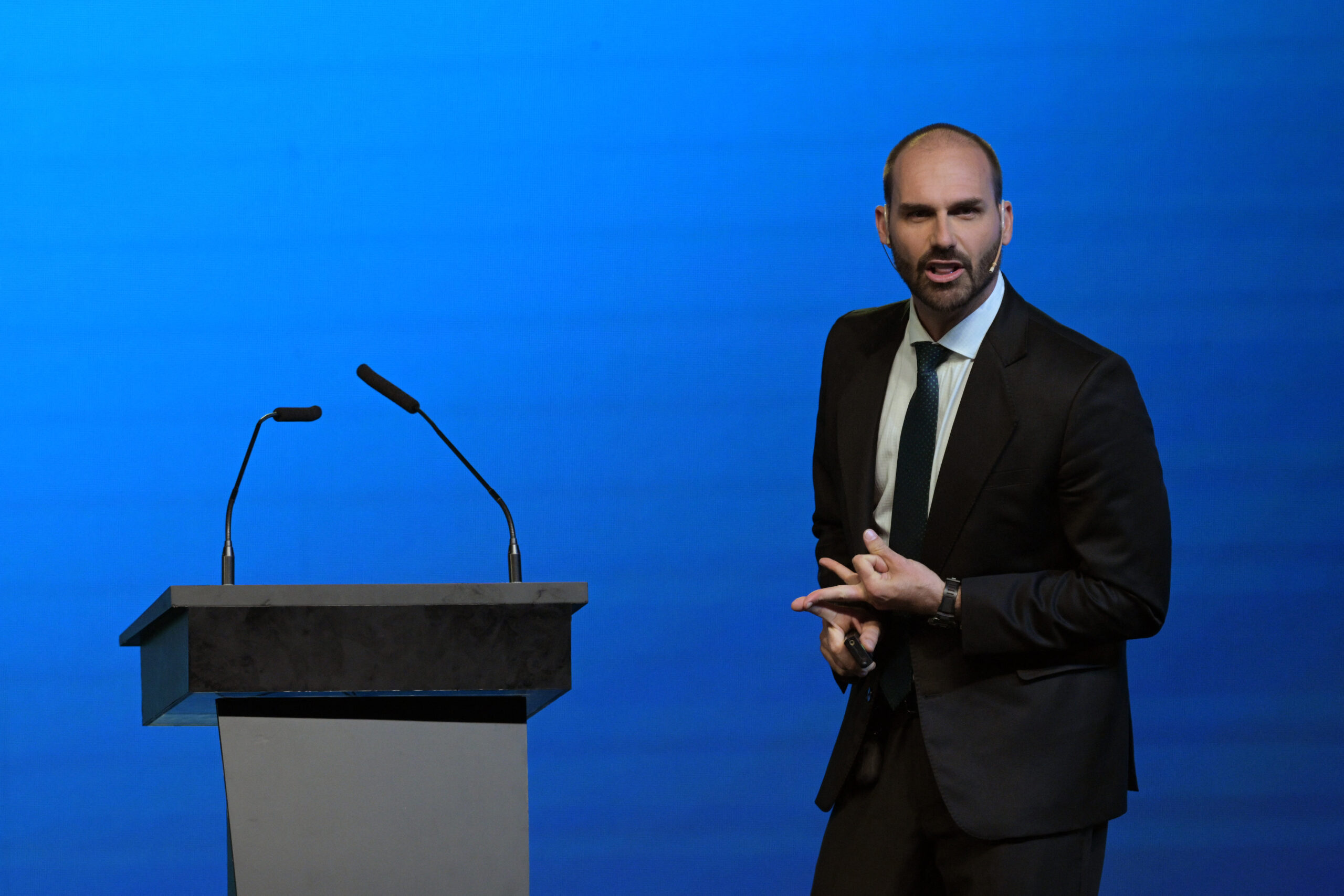
Brazilian right-wing congressmen Eduardo Bolsonaro and Alexandre Ramagem, both currently outside the country and facing legal charges in Brazil, requested the maximum amount of individual budget amendments, roughly R$ 40 million (about US$8 million) each, while absent from Congress.
Eduardo Bolsonaro is a defendant for attempting to coerce authorities in the case involving his father, Jair Bolsonaro, and for lobbying the U.S. government to impose sanctions on Brazil. Ramagem, the former head of Brazil’s intelligence agency (Abin), has been convicted for his role in the January 8 coup attempt and is considered a fugitive.
Despite their absence, both submitted budget requests in November. Eduardo Bolsonaro directed funds to São Paulo areas including health, social assistance, public security, transportation, and education. Ramagem requested funding for similar sectors, including human rights programs, military infrastructure, and logistical support for scientific missions in Antarctica.
The requests were filed even after the Speaker of the House, Hugo Motta, banned remote voting by lawmakers abroad. Although submitting amendments remains technically legal for members who still hold office, political scientist Beatriz Rey says the act is “extremely unethical,” arguing that lawmakers who are not in the country cannot assess real local needs.
Rey also states that Congress has been “complacent” by allowing both Bolsonarista lawmakers, one self-exiled in the U.S., the other a fugitive, to retain parliamentary privileges. She argues they should be barred from budget amendments just as they are from voting.
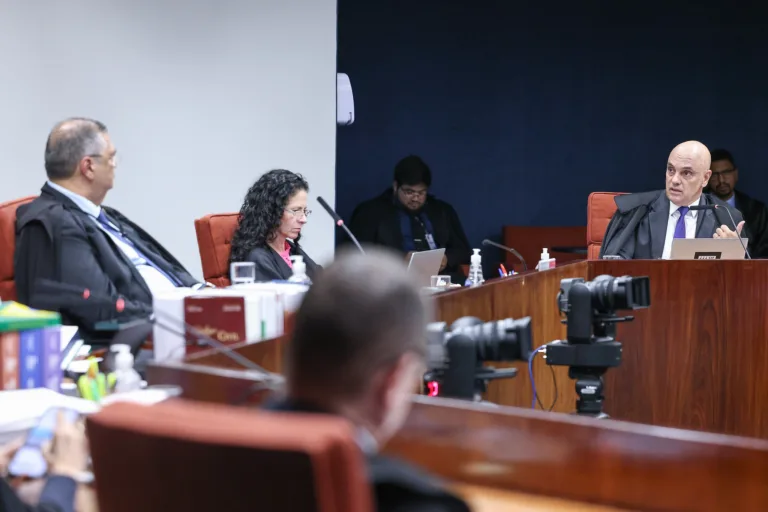
After the case gained media attention, Supreme Court Justice Flávio Dino suspended the release of the funds, ruling that lawmakers cannot “exercise a mandate remotely.”
Ramagem, convicted to 16 years in prison, continues to accumulate public expenses, including parliamentary funds and taxpayer-financed housing, even while abroad. Eduardo Bolsonaro, who has skipped more than 70% of voting sessions this year, also has his salary blocked by order of the Supreme Court and faces potential loss of mandate over his absences and criminal accusations.
Under Brazilian rules, individual budget amendments allow lawmakers to designate federal funds to local projects once the Annual Budget Law is approved, but critics warn the system is vulnerable to political abuse when used by lawmakers unable to perform their duties.