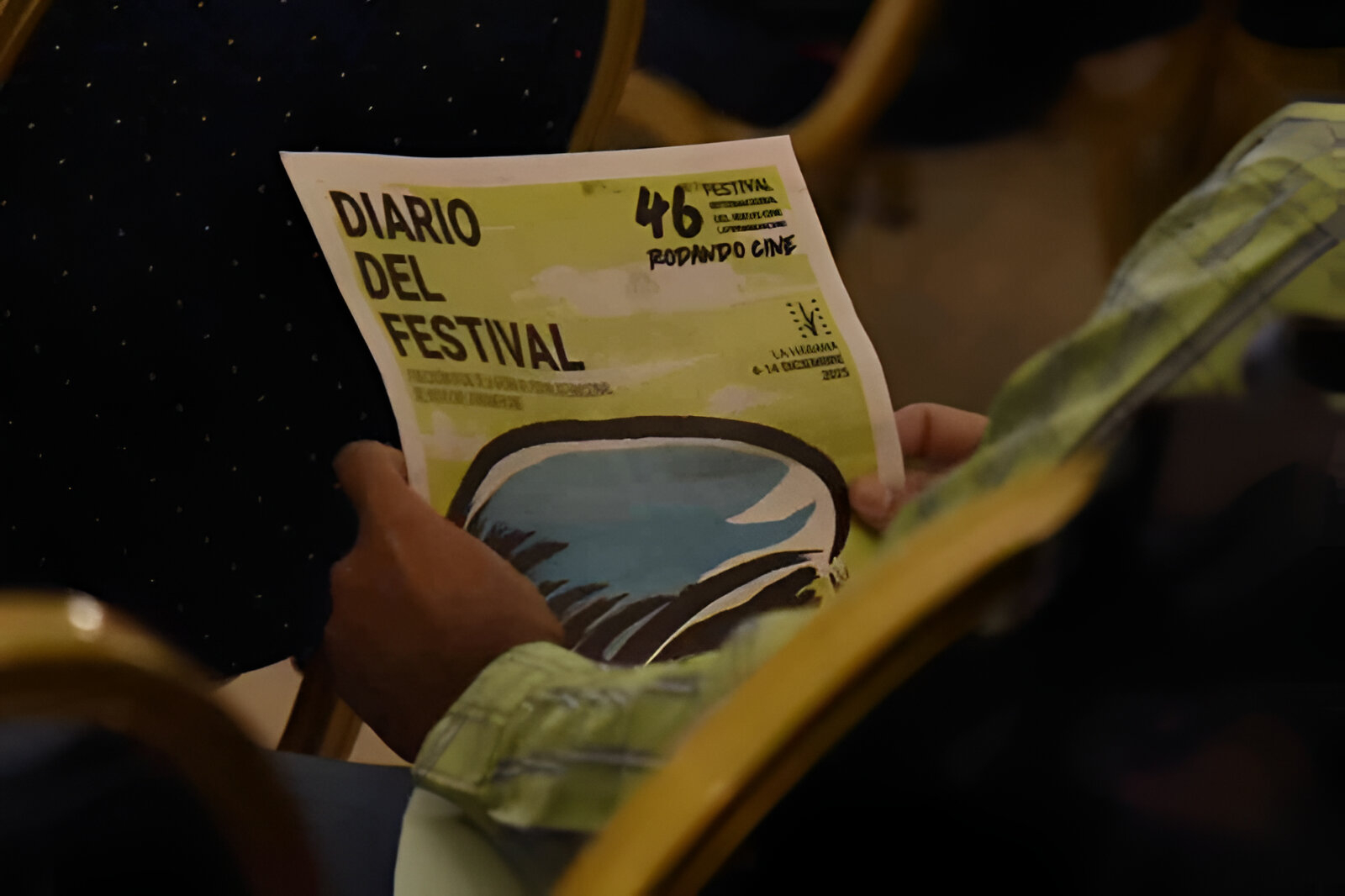
For the first time, BdF will be part of the jury at the 46th Havana International Festival of New Latin American Cinema, one of the most important film events on the continent.
This year, under the theme “Rolling Cinema,” the festival features 222 films from 42 countries. BdF will serve on the jury of the Glauber Rocha Award, which celebrates its 40th anniversary in 2025. Named after the iconic Brazilian filmmaker of the Cinema Novo movement and granted by the Prensa Latina news agency, the award honors films rooted in the realities of the continent that combine innovation, aesthetic strength, and a firm commitment to the social issues of Latin America and the Caribbean. The winner will be announced this Friday, December 12, alongside the Coral Grand Prize, the festival’s highest distinction.
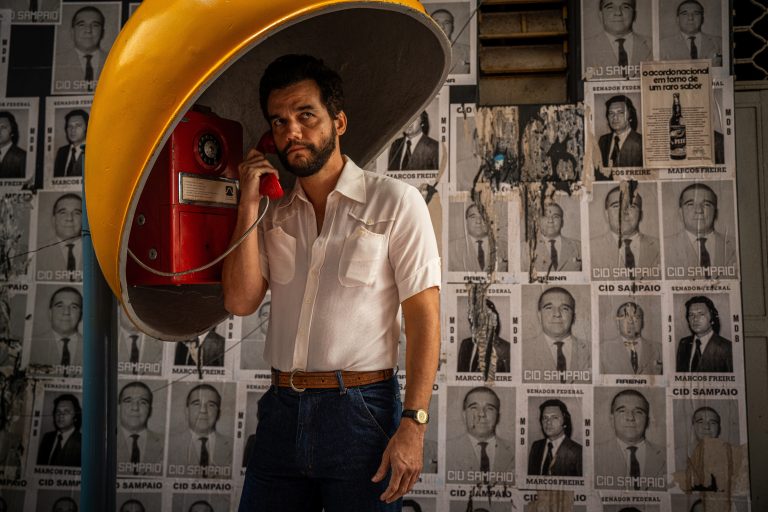
Among the most represented countries at this edition are Cuba, Mexico, Argentina, Brazil, and Colombia, highlighting the diversity and richness of regional film production. Notable titles this year include ‘The Secret Agent’, a political thriller directed by Kleber Mendonça Filho and starring Wagner Moura, selected by Brazil to compete for Best International Feature Film at the 2026 Academy Awards; the Cuban production ‘Anonymous Neurotic’, by renowned actor and director Jorge Perugorría, starring actress and screenwriter Mirtha Ibarra; the Argentine film ‘Belén’, directed by Dolores Fonzi and based on the real story of a woman imprisoned after a miscarriage; and ‘The Condor’s Daughter’, by Bolivian filmmaker Álvaro Olmos Torrico, which offers a powerful look at social mandates, migration, and tradition.
The Latin American panorama is further enriched by productions from Mexico, Colombia, and the Dominican Republic, addressing themes such as inequality, migration, violence, social class, and desire through multiple narrative approaches. This diverse lineup reflects the aesthetic and political breadth of contemporary cinema in the region, consolidating the festival as a space for encounter, reflection, and high-level cultural debate.
As a new feature this year, the program includes a section dedicated to Brics countries (Brazil, Russia, India, China, and South Africa), reflecting Cuba’s recent incorporation as an associated country to the bloc.
Created in 1985, the Glauber Rocha Award has, over four decades, honored central figures in Latin American cinema. Past recipients include Argentine filmmaker Fernando Birri and Mexican director Arturo Ripstein, recognized for their lifetime achievements. Brazilian awardees include Suzana Amaral (The Hour of the Star, 1986), Fernando Meirelles (City of God, 2002), and Héctor Babenco (Carandiru, 2003); Colombia’s Víctor Gaviria (Rodrigo D: No Future, 1990; The Rose Seller, 1998); and Chilean director Andrés Wood (Machuca, 2004; Violeta Went to Heaven, 2012), among other leading names from across the continent.
A festival to learn how to see ourselves
This year’s opening ceremony was led by festival director Tania Delgado Fernández, who highlighted the role of cinema in times of crisis and reaffirmed the Latin American dimension of the event. “Cuba embraces you at this difficult moment for the world and also for our country. More than a decade after the proclamation of Celac [Community of Latin American and Caribbean States], which declared Latin America and the Caribbean a zone of peace, our continent is once again threatened by a North that despises us,” she said, referring to the escalation of U.S. military actions affecting the region.
Amid applause, Delgado stressed the need for cultural resistance and creativity in the face of global and regional tensions, stating that “cinema, through the power of images and sound, allows us to recognize the multiple realities and complexities experienced by our societies.”
As a demonstration of the festival’s social and political commitment to the struggles of the continent, the opening featured the screening of ‘Belén’, directed by Dolores Fonzi.
At its 46th edition, the event also pays tribute to Cuban filmmaker Alfredo Guevara, founder of the Cuban Institute of Cinematographic Art and Industry (ICAIC) and of the festival itself, whose legacy continues to shape the course of Latin American cinema. The Havana International Festival of New Latin American Cinema was inaugurated in December 1979 and has since consolidated itself as a key space for recognition and circulation of Latin American and Caribbean film.
The first films to receive the Coral Grand Prize, the festival’s top honor, were the Brazilian ‘Coronel Delmiro Gouveia’, directed by Geraldo Sarno, and the Cuban ‘Maluala’, by Sergio Giral.
Forty-six years after its founding, the words of the festival’s original manifesto remain relevant. At its creation, the festival declared its goal to “promote the regular meeting of Latin American filmmakers whose work enriches the artistic culture of our countries; ensure the collective presentation of fiction films, documentaries, animation, and current affairs; and contribute to the international circulation and visibility of the most significant productions of our cinemas.”