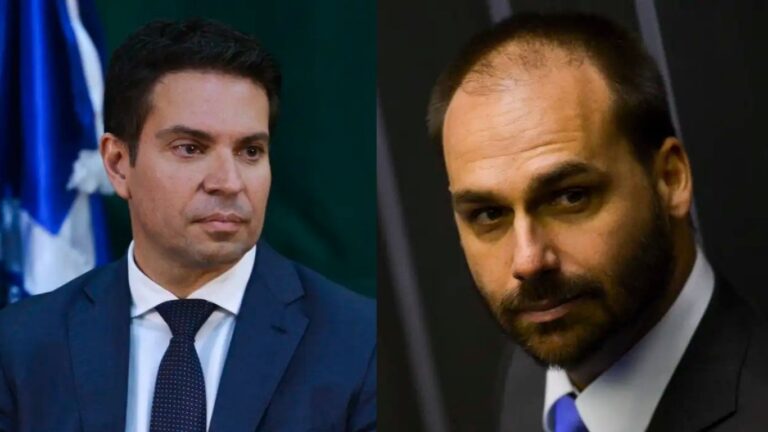

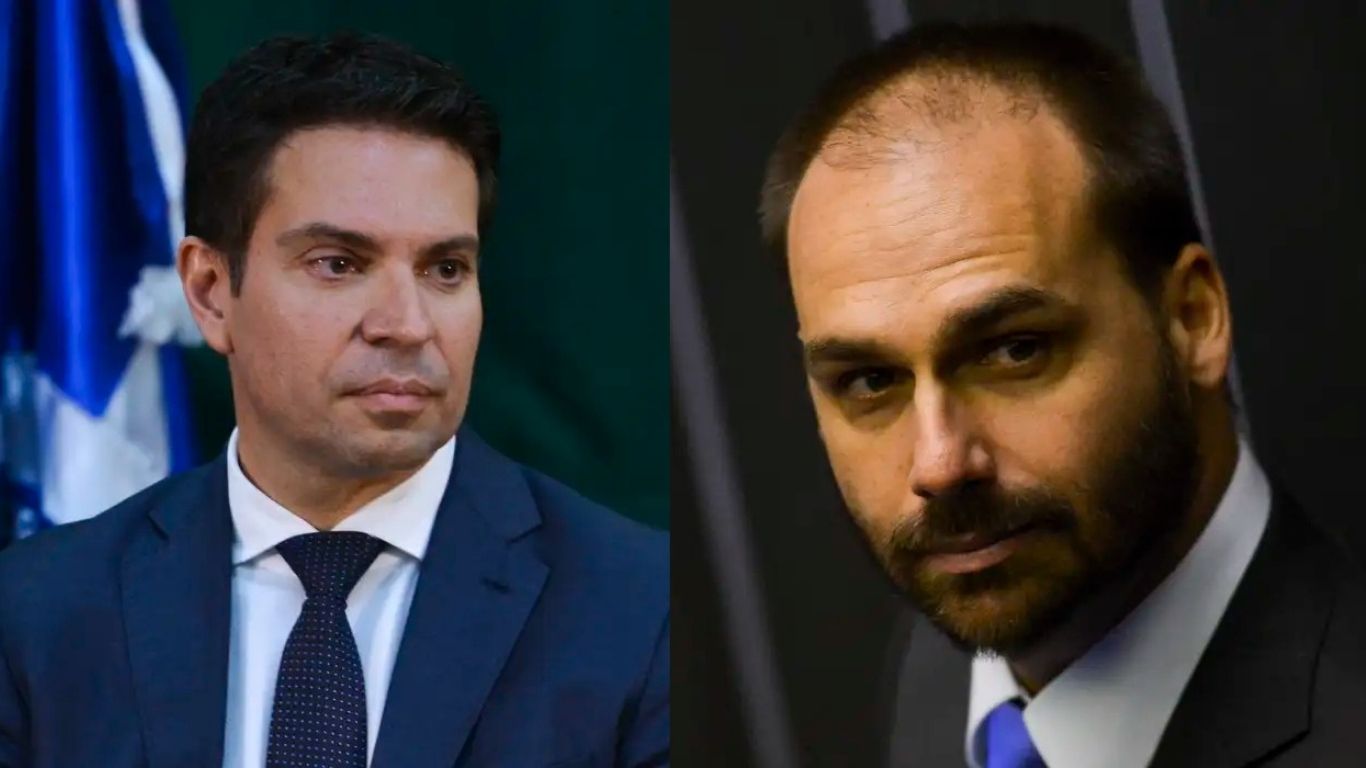
Brazil’s Chamber of Deputies canceled the diplomatic passports of right-wing former lawmakers Eduardo Bolsonaro and Alexandre Ramagem last Friday (19), one day after their mandates were revoked by the Chamber’s leadership.
The measure was communicated to the former lawmakers through official letters issued by the Chamber’s Second Secretariat, the department responsible for issuing official travel documents. The decision was based on a decree regulating the granting of diplomatic passports to public authorities. Under the rules, only sitting members of Congress are entitled to the document.
In addition to the former lawmakers, the Chamber also canceled the diplomatic passports issued to the spouses and children of Eduardo Bolsonaro and Alexandre Ramagem.
In the notices sent to both men, the Second Secretariat informed them that the decision had already been communicated to Brazil’s Ministry of Foreign Affairs, which is responsible for issuing the passports. The office also requested that the former lawmakers return the documents.
Alexandre Ramagem left Brazil in September, before the Supreme Federal Court (STF) concluded the trial that sentenced him to prison for his involvement in the coup plot. According to the Federal Police, he used a diplomatic passport to enter the United States.
Eduardo Bolsonaro has been in U.S. territory since February, according to records from the Chamber of Deputies. In recent interviews, he indicated that he also used a diplomatic passport to enter the country.
Revocation of mandates
The Chamber of Deputies’ Board of Directors revoked the mandates of Eduardo Bolsonaro and Alexandre Ramagem on Thursday (18). The consequences of the revocations differ: while Eduardo Bolsonaro retains his political rights, Ramagem loses eligibility for a period to be determined by the courts.
The members of the Board voted after reviewing two reports recommending the revocations, issued by the Chamber’s First Secretary, Congressman Carlos Veras. The deadline for both lawmakers to present their defenses had expired the previous day.
Eduardo Bolsonaro’s mandate was revoked through an administrative decision by the Chamber, which penalizes parliamentary conduct but does not result in the suspension or loss of political rights. As a result, Eduardo remains eligible and may run for office in 2026, provided he meets the legal requirements for registering his candidacy with the Electoral Court.
In Ramagem’s case, the revocation stems from a criminal conviction, with broader legal consequences. When the loss of a mandate results from a final criminal sentence, political rights are suspended, as provided for in Brazil’s Federal Constitution.