
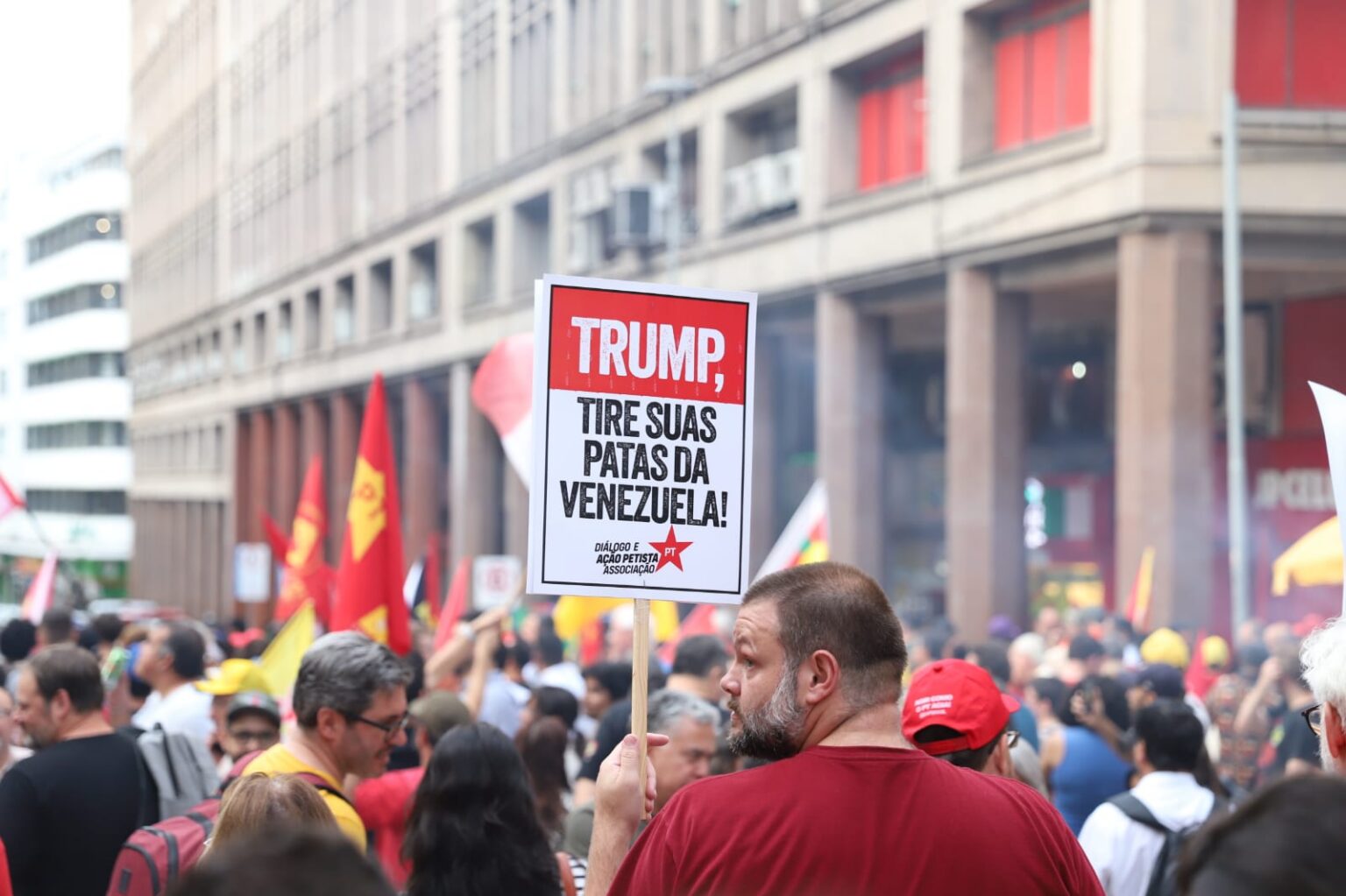
The United States’ bombings on Venezuelan territory and the kidnapping of its president on January 3 represent yet another regrettable chapter in the ongoing erosion of international law and the multilateral order established after the Second World War. The assessment comes from Brazilian President Luiz Inácio Lula da Silva, in an opinion article published this Sunday (18) in The New York Times.
According to the Brazilian leader, heads of state or government – of any country – can be held accountable for actions that harm democracy and fundamental rights. “No leader has a monopoly on the suffering of their people. But it is not legitimate for another state to arrogate to itself the right to dispense justice,” he wrote. Lula added that unilateral actions threaten stability worldwide, disrupt trade and investment, increase refugee flows, and further weaken states’ capacity to confront organized crime and other transnational challenges.
Lula said it is particularly troubling that such practices are being applied to Latin America and the Caribbean, as they bring violence and instability to a region striving for peace through the sovereign equality of nations, rejection of the use of force, and the defense of peoples’ self-determination.
“In more than 200 years of independent history, this is the first time South America has suffered a direct military attack by the United States, although American forces have previously intervened in the region,” he noted in the op-ed.
Latin America and the Caribbean are home to more than 660 million people. “We have our own interests and dreams to defend,” the president wrote. In a multipolar world, Lula argued, no country should have its foreign relations questioned for seeking universality. “We will not be subservient to external hegemonic ventures. Building a prosperous, peaceful, and pluralistic region is the only doctrine that suits us,” he stated.
Lula said countries should work toward a positive regional agenda capable of overcoming ideological differences in favor of pragmatic outcomes. “We want to attract investment in physical and digital infrastructure, promote quality jobs, generate income, and expand trade within the region and with nations beyond it,” he added. Cooperation, he emphasized, is essential to mobilize the resources Latin America needs to combat hunger, poverty, drug trafficking, and climate change.
“History has shown that the use of force will never bring us closer to these goals. Dividing the world into spheres of influence and engaging in neocolonial incursions for strategic resources are outdated and harmful,” he wrote.
The Brazilian president stressed that it is crucial for leaders of major powers to understand that a world of permanent hostility is not viable. However strong they may be, such powers cannot rely solely on fear and coercion.
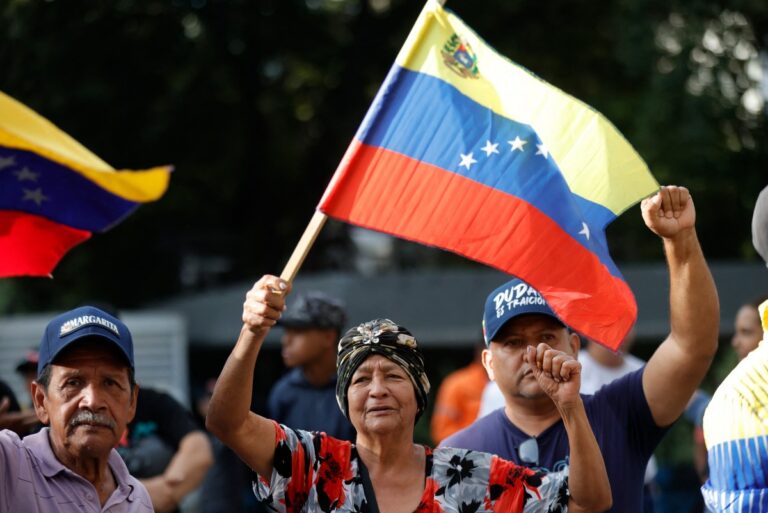
“The future of Venezuela, and of any other country, must remain in the hands of its people,” Lula affirmed. He recalled that only an inclusive political process, led by Venezuelans themselves, will lead to a democratic and sustainable future. “This is an essential condition for the millions of Venezuelan citizens, many of whom are temporarily sheltered in Brazil, to be able to return safely to their country,” he added.
Lula reiterated that Brazil will continue working with the Venezuelan government and people to protect the more than 2,000 kilometers of shared border and to deepen cooperation.
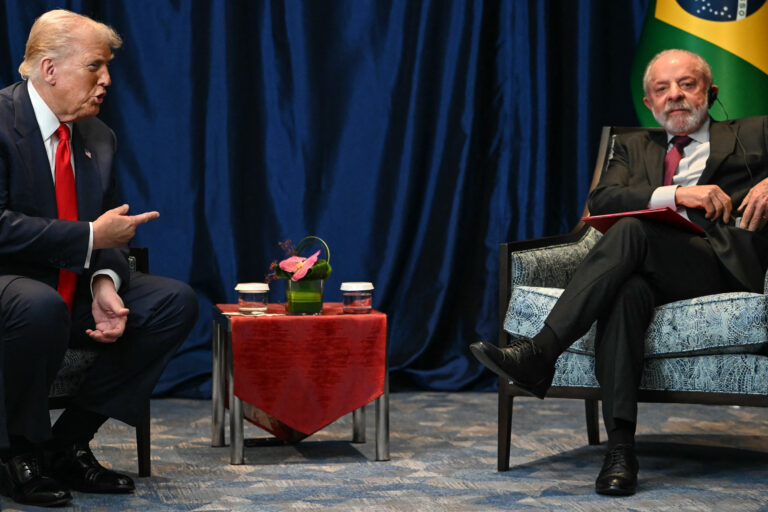
“It is in this spirit that my government has engaged in constructive dialogue with the United States. We are the two most populous democracies in the Americas. Here in Brazil, we are convinced that joining efforts around concrete plans for investment, trade, and the fight against organized crime is the way forward. Only together can we overcome the challenges afflicting a hemisphere that belongs to all of us,” he concluded in the New York Times, a hemisphere that, as he himself put it, “belongs to all of us,” not to a single power.